


Why Playtime Should Be a Daily Priority for Every Child
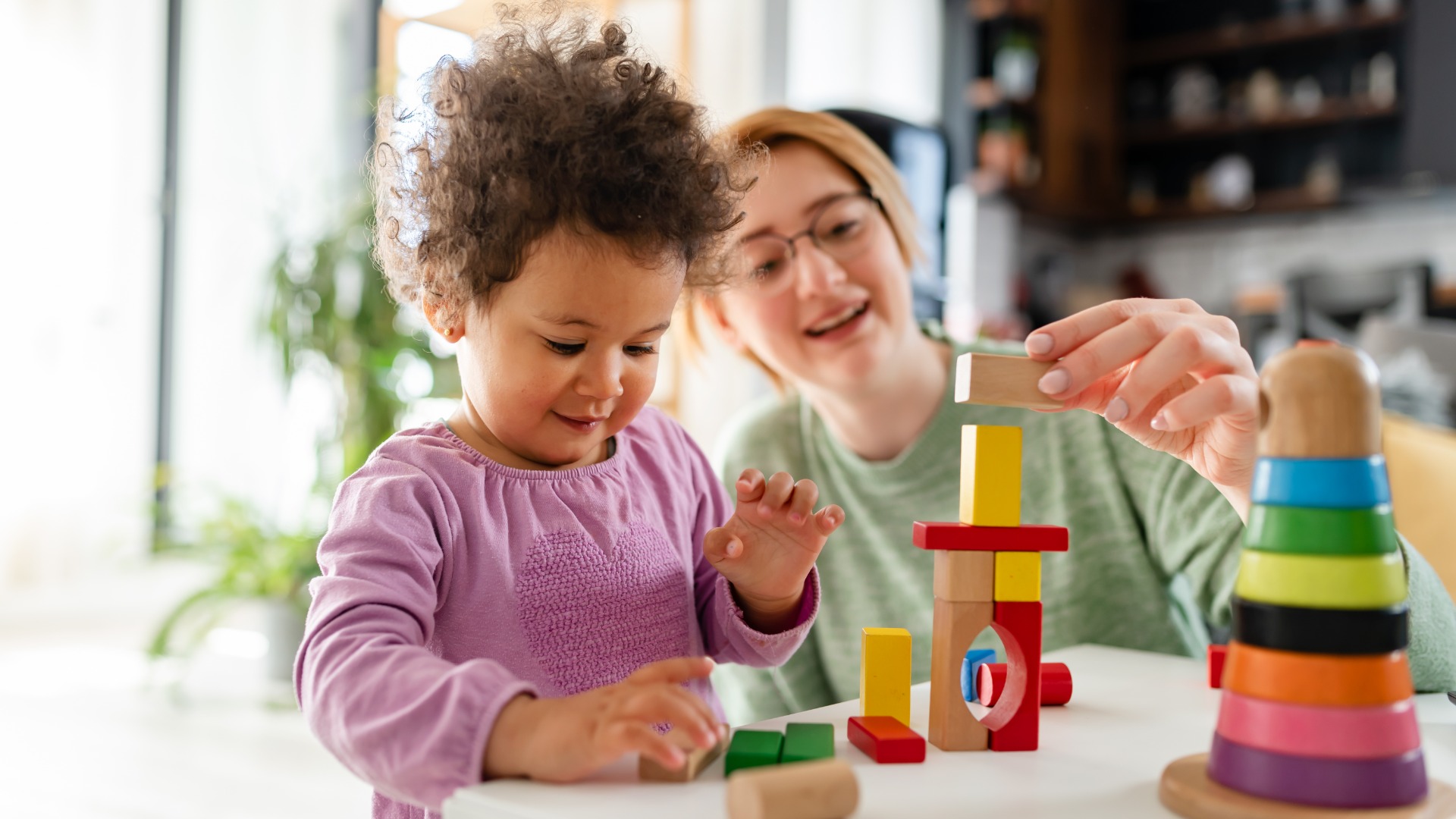
Children grow and learn through a wide range of experiences, but few are as naturally impactful and deeply engaging as play. Through these experiences, kids explore the world in meaningful and enjoyable ways.
This makes it important for families to ensure their little ones get time to play. Read on to learn why playtime should be a daily priority for every child and how it can aid in their development.
Physical Development
Children develop physical strength and coordination by engaging in regular movement during play, especially when that movement includes a mix of running and climbing. Activities that may seem simple, such as chasing a ball across a yard or navigating playground equipment, actually challenge multiple muscle groups and help improve endurance over time. These experiences contribute to stronger bodies and give children confidence in their physical abilities.
Active play also plays a significant role in refining motor skills, since children must learn how to control their movements with increasing precision as they grow. Whether they are learning how to balance on uneven ground or coordinating their steps during a game, these repeated actions help build both fine and gross motor control. Over time, these improvements can support everyday tasks and organized sports.
Emotional Growth
Another reason why playtime should be a daily priority for every child is that it helps them grow emotionally. Kids often use play to process emotions they may not yet have the language to fully express, making it an essential tool for emotional development.
Through imaginative scenarios, they can act out situations that reflect their feelings, allowing them to better understand and manage emotions such as excitement or frustration. This type of exploration builds a foundation for emotional awareness that continues to develop over time.
Play also introduces small but meaningful challenges that help children learn to respond to setbacks constructively. When a game does not go as planned, children must adapt and try again, strengthening their ability to cope with disappointment. These moments, though simple, contribute to long-term resilience and emotional flexibility.
Social Skill Development
Play also provides a natural environment for children to develop social skills, as it requires them to communicate ideas and listen to others in shared situations. During games and group activities, children practice expressing their thoughts clearly while also learning to interpret their peers' perspectives. These interactions help build communication skills that are essential for both academic and personal success.
Group play also introduces important lessons about cooperation and fairness, which children begin to understand through direct experience. They learn how to take turns, follow agreed-upon rules, and resolve disagreements in ways that allow the activity to continue. These experiences help children develop empathy and respect for others.
Stronger Creative Thinking
Creative thinking develops most naturally when children engage in unstructured play, with no strict rules or predefined outcomes guiding their actions. In these moments, a simple object can take on many different roles, transforming into whatever the child imagines it to be within the context of their play. This flexibility encourages original thinking and supports the development of problem-solving skills.
As children experiment with different ideas during play, they learn to approach challenges from multiple angles, which strengthens their ability to think creatively in other areas of life. Building and storytelling all require children to make decisions and adjust their plans as they go. These experiences help foster innovation and adaptability.
Enhanced Learning Skills
Play-based learning helps children connect new information to real-world experiences, which makes it easier for them to understand and retain what they learn. Hands-on activities engage multiple senses at once, allowing children to interact with concepts in a way that feels both practical and memorable. This type of learning can lead to a deeper level of comprehension.
Games that involve patterns or sequences require children to focus their attention and follow steps carefully, which helps strengthen concentration over time. As they participate in these activities, they learn how to stay engaged and work toward a goal. These skills are directly transferable to classroom settings and academic tasks.
Lessons of Responsibility
Play often involves toys and shared spaces, which require a certain level of care and attention from children. This allows them to learn about the importance of responsibility in a practical way. These small habits build a foundation for more complex responsibilities later in life.
For example, if you teach your little one about how to maintain their ride-on car after playtime, they will develop a sense of ownership, which encourages them to take better care of their property. Responsibility during play also extends to behavior, as children must learn to follow rules and consider how their actions affect others.
When they participate in group activities, they begin to understand accountability in a social context. These experiences help prepare them for responsibilities at home, in school, and within the community.
Stronger Family Connections
Shared playtime provides families with opportunities to connect in ways that feel natural and enjoyable, which helps strengthen relationships over time. Activities such as board games, outdoor adventures, or simple backyard play create moments of laughter and cooperation that bring family members closer together. These experiences often become lasting memories that children carry with them.
When parents actively participate in play, they demonstrate that they value their children’s interests and are willing to engage in their world. This involvement builds trust and encourages open communication, making it easier for children to share their thoughts and feelings. As a result, family relationships become stronger and more supportive.
Better Mental Well-Being
Finally, play serves as a natural outlet for energy and stress, allowing children to release tension in a way that feels both productive and enjoyable. Through movement, laughter, and creative expression, children can process their experiences and maintain emotional balance. This release is essential for maintaining overall mental health.
Unstructured playtime gives children the freedom to explore at their own pace without the pressure of expectations or performance, which helps them relax and recharge. In these moments, they can focus on what interests them most, which supports a sense of autonomy and confidence. This independence contributes to a healthier mindset.
Don’t Ignore the Importance of Playtime
These reasons show how daily playtime provides children with far more than simple entertainment, as it supports physical growth, emotional resilience, social development, and essential life skills that shape their future. Families who prioritize play create an environment where children can develop and learn in meaningful ways that extend well beyond childhood. By making play a consistent part of daily life, parents help ensure that their children grow into capable and well-rounded individuals.