


What Makes Lining an Odd-Shaped Pond So Tricky?
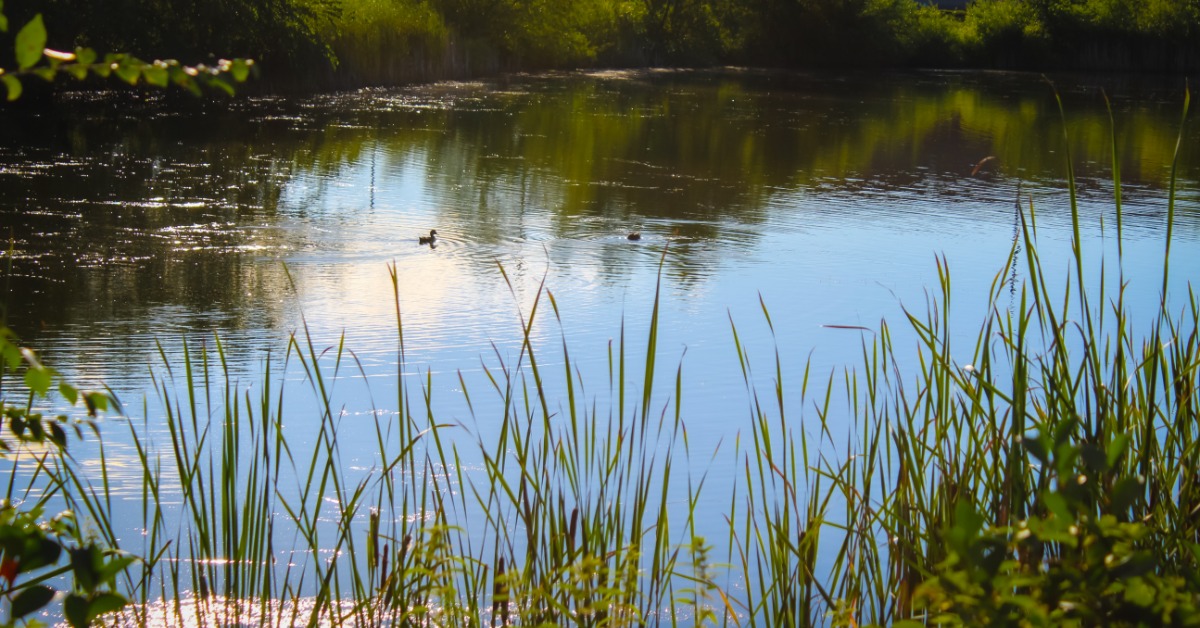
A winding pond can make a backyard feel wonderfully natural. A narrow inlet wraps around the garden beds. Then, on installation day, someone has to fit a flat liner into all those bends. Suddenly, the charming design looks more complicated than it did on paper.
Irregular ponds aren’t impossible to line, but they require more planning than simple rectangular basins. Every curve changes how the lining material lies against the soil. Understanding the tricky spots before construction can help you avoid expensive surprises and enjoy the pond you imagined. Here’s what makes lining an odd-shaped pond so tricky.
Measurements Tell Only Part
A pond’s longest and widest dimensions provide a starting point for sizing the liner. They don’t reveal every dip or curve that the material must follow. An inlet or off-center deep pocket changes the necessary coverage.
Measure the finished excavation rather than relying entirely on the original drawing. Follow representative routes across the basin with a flexible measuring tape, and account for material that must reach beyond the shoreline.
Depth Changes the Calculation
Depth consumes liner material that the surface outline hides. The sheet has to travel down one wall and across the bottom before climbing the opposite side.
Odd-shaped ponds may have several depths instead of one level floor. A deeper area beside a curved bank makes that route particularly easy to underestimate.
Use the maximum depth when developing an initial size estimate. Then verify the actual contours with your liner supplier, including the anchoring allowance around the edges.
Shelves Add Hidden Distance
Planting shelves make a pond more interesting, but they add extra transitions. The liner must follow the ledge before dropping toward the deeper water.
A sharp shelf corner may also create a tight fold where two surfaces meet. That fold needs thoughtful placement rather than a quick tug on the material.
Make shelf widths consistent wherever the design allows. Smooth transitions help the liner lie more comfortably against the excavation and give installers fewer awkward areas to manage.
Tight Curves Create Folds
Imagine trying to wrap a flat tablecloth around a bowl with several narrow corners. Even careful arranging leaves extra fabric somewhere.
Pond liners face a similar challenge. Concave bends create excess material, while nearby edges may pull in competing directions. Installers must guide folds away from seams and other vulnerable areas.
Don’t stretch the liner until it looks perfectly smooth. A little slack accommodates movement, and a thoughtful fold arrangement usually works better than forcing the material into shape.
Not Every Material Bends Alike
Liners come in different materials, and each behaves differently around complex contours. A flexible rubber sheet may conform to curves differently than a stiffer geomembrane. Heavy panels make tight corners especially difficult to navigate.
Ask the supplier how the proposed material performs in your pond’s specific shape. The best choice depends on its intended use and how installers plan to secure it, not just the lowest price per square foot.
Seams Need a Smart Plan
A large irregular pond may need several liner panels. Seams need suitable overlap and clean working surfaces. Their locations also deserve attention because corners and slope transitions can place awkward stresses on a joint.
Experienced installers typically minimize seams in difficult corners and follow material-specific joining procedures. Some projects benefit from factory fabrication, while others require field seams. The appropriate arrangement depends on the pond layout and the selected material.
The Ground Must Cooperate
A carefully planned liner still needs a suitable surface underneath it. Stones or exposed roots can press into the material once water fills the basin.
Equipment may leave uneven soil in tight curves. Inspect those areas before laying out the liner.
Remove sharp debris and prepare the soil according to the project specifications. Where the design calls for a protective underlayment, place it correctly before the liner arrives. A smoother foundation gives every section better support.
Steep Banks Increase the Challenge
A steep pond wall can make positioning a heavy sheet difficult. Gravity pulls the material downward while installers try to maintain the right amount of slack.
At the bottom of the slope, the liner must settle into the transition without bridging over empty space. Unsupported spans can concentrate stress when the pond fills.
Review steep sections during the design phase. Gentler slopes may simplify installation where the site permits them. Larger projects may need an engineered solution rather than a last-minute change to the excavation.
Edges Need Extra Attention
The liner might turn around a planting peninsula or wrap into a narrow cove. Each section needs a secure termination that suits the design. Cutting the liner flush with the visible waterline can leave too little material for a proper anchor.
Plan the perimeter allowance before ordering. Where the project uses anchor trenches, confirm their placement and dimensions with the installer. Protecting the shoreline also helps keep runoff from undermining the finished edge.
Features Complicate the Fit
Pipes and drains can turn a challenging layout into an especially delicate installation. Any opening through a liner needs a compatible, carefully detailed connection.
A waterfall connection may need its own transition, while an overflow must direct excess water to an appropriate location. Neither should depend on an improvised cut and a hopeful patch.
Show the fabricator every planned penetration before production begins. Even a small pipe can change the panel layout or require a specialized fitting.
Weather Changes the Workflow
Hot sunlight can make certain liner materials expand, while cooler conditions cause them to contract. That movement influences how much slack installers need. Wind can shift large panels, and rain can interrupt seam work.
Coordinate the schedule with the material manufacturer’s instructions. Crews may need to reposition panels or wait for better conditions rather than trying to finish every task on the original timetable.
Custom Work Needs Clear Expectations
Complex shapes can increase both fabrication time and installation labor. Extra fitting around curves may also produce offcuts that a simple rectangular design wouldn’t require.
Discuss custom liner project expectations early, including the measurements the supplier needs and the work that will happen on-site. Ask who handles final fitting and how the crew will inspect any field seams.
A clear plan helps prevent misunderstandings about cost or timing. It also gives everyone an opportunity to simplify difficult details before materials arrive.
Inspect Before Adding Water
Inspect the empty installation before filling begins. Look for unsupported spots and possible punctures. Confirm that the crew has completed the appropriate seam checks and secured the perimeter according to the project requirements.
Fill the pond using the installer’s recommended procedure, watching for shifting liner or exposed edges. Address concerns early instead of hoping the water will flatten every problem.
Let the Shape Work for You
What makes lining an odd-shaped pond so tricky is the difference between a beautiful outline and the three-dimensional surface beneath it. Curves can create awkward folds, while depth changes demand more material than the surface suggests.
You don’t have to abandon an interesting design to get a dependable result. Accurate measurements and thoughtful installation planning can make those natural-looking curves much easier to manage. With the right preparation, the pond’s unusual shape can become its greatest charm rather than its biggest headache.