


What Makes a Backyard Awning Durable in Changing Weather
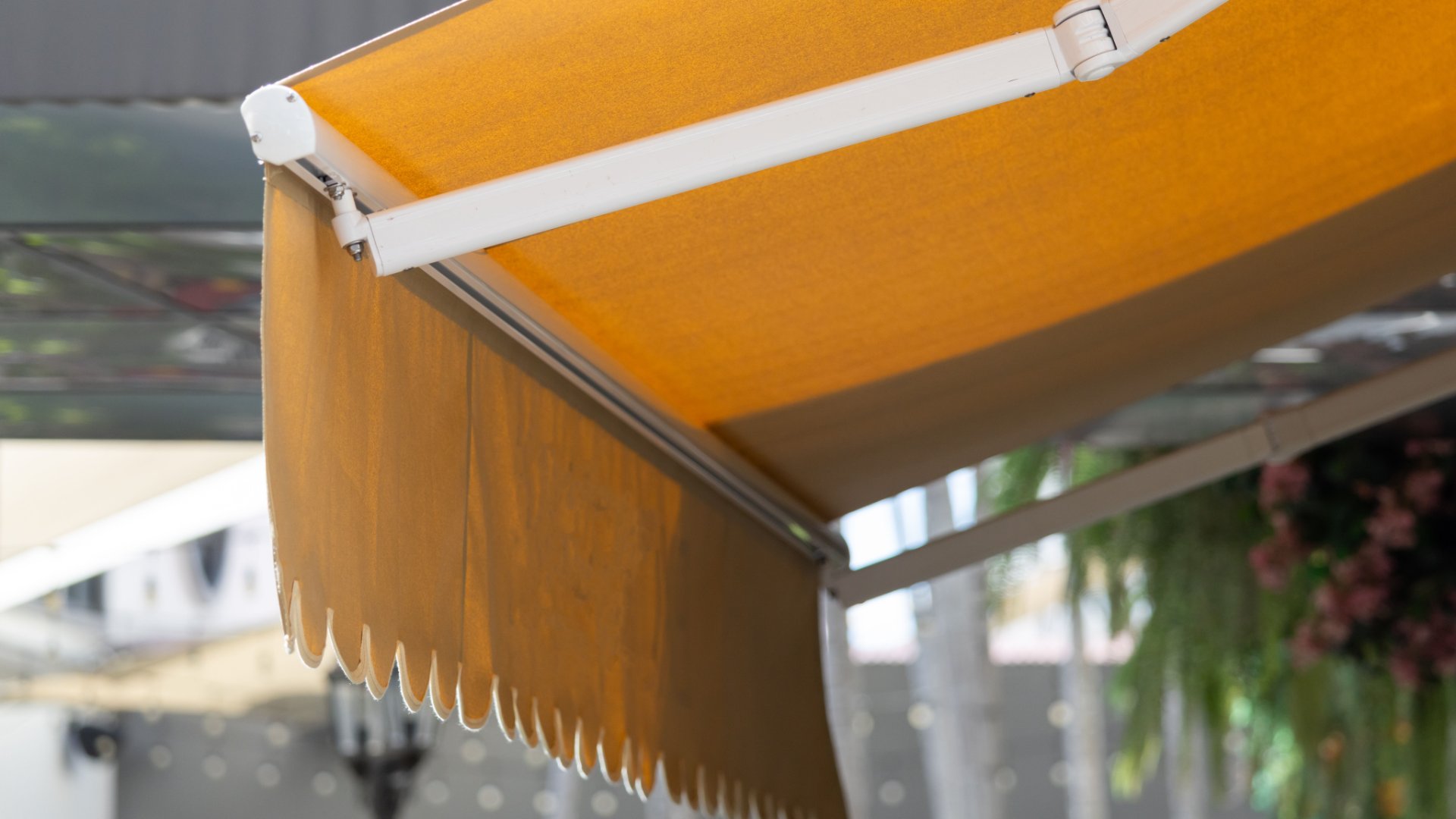
Backyard awnings turn any hot space into a comfortable place to relax without the sun beating down. In Northeast Wyoming and Southwest South Dakota, though, outdoor structures need to handle much more than a few sunny summer afternoons.
Understanding what makes a backyard awning durable in changing weather such as strong winds and intense sunlight can help it last year-round. A reliable awning combines sturdy materials with smart engineering so homeowners can enjoy dependable shade through changing conditions.
A Strong Frame Creates a Reliable Foundation
The frame carries the awning’s weight while resisting movement caused by wind and precipitation. Aluminum ranks among the most common frame materials because it offers strength without adding excessive weight.
Quality aluminum frames also resist rust, which matters when rain, snow, and melting ice repeatedly expose outdoor structures to moisture. Steel can provide impressive strength as well, although manufacturers need to protect it against corrosion.
Frame thickness and construction quality matter just as much as the material itself. Strong joints and well-designed support arms help the awning maintain its shape when weather conditions shift quickly.
Durable Fabric Handles Sun and Moisture
Awning fabric spends hours exposed to ultraviolet rays during sunny weather. Low-quality materials may fade, weaken, or stretch after repeated exposure, while outdoor-rated fabrics maintain their appearance and performance longer.
Homeowners should look for fabric that resists UV damage and sheds moisture effectively. Water resistance helps prevent moisture from soaking deeply into the material during passing rainstorms.
Breathable outdoor fabrics also allow trapped moisture to escape after wet weather. This feature can reduce the conditions that encourage mildew growth while helping the fabric dry more efficiently.
Wind Resistance Matters on the Northern Plains
Anyone who lives in Northeast Wyoming or Southwest South Dakota knows that calm weather can turn windy with little warning. Manufacturers design durable awnings to manage these forces through reinforced frames, secure mounting systems, and appropriate dimensions. Larger awnings create more surface area for the wind to push against, so proper engineering becomes especially important.
Homeowners comparing products should pay attention to wind load ratings for roof-mounted awnings when considering systems that connect to a roof structure. These ratings provide useful information about how an awning and its mounting design respond to wind pressure.
Secure Mounting Keeps Everything Steady
Even an exceptionally strong awning cannot perform well without secure mounting. Fasteners, brackets, and attachment points transfer forces from the awning into the supporting structure, making installation quality a major part of durability.
The correct mounting method depends on the home and awning design. Installers may connect the system to a wall or another suitable structural area depending on the property. A professional should evaluate the attachment surface before installation begins. That evaluation helps determine whether the structure can support the awning while handling the additional forces that changing weather may create.
Retractable Designs Offer Extra Protection
Retractable awnings give homeowners greater control when weather changes unexpectedly. Instead of leaving the fabric exposed during every storm, owners can retract the awning when strong winds or heavy precipitation approach.
Manual systems provide straightforward operation, while motorized designs make adjustments easier. Some advanced systems can also work with weather sensors that respond when conditions change.
Retracting an awning during severe weather reduces unnecessary stress on the frame and fabric. This simple habit can help extend the system’s useful life, particularly in areas that experience frequent wind.
Small Design Details Make a Big Difference
Durability often comes down to details homeowners may not notice right away. Hardware quality, stitching, drainage, and tension all influence how an awning handles everyday exposure.
When comparing backyard awnings, homeowners should pay attention to features such as:
- Corrosion-resistant brackets and mounting hardware
- Reinforced fabric seams that handle repeated tension
- Strong support arms that keep the canopy stable
- Outdoor fabrics designed to resist fading and moisture
- Drainage-friendly designs that discourage standing water
These details work together, not independently. A strong frame cannot compensate for weak mounting hardware, just as excellent fabric cannot overcome poor structural support.
Proper Pitch Helps Manage Rainfall
An awning needs the correct slope to move rainwater away from its surface. Without enough pitch, water can collect in low spots and place unnecessary weight on the fabric and supporting frame.
Repeated water pooling can stretch the canopy and strain connection points. Over time, that stress may shorten the life of an otherwise well-built awning.
A suitable pitch encourages rain to drain toward the intended edge. Homeowners should also keep the surrounding drainage area clear so runoff does not create problems near patios, doors, or foundations.
Snow Requires Special Attention
Winter brings another challenge across Wyoming and South Dakota. Heavy or wet snow can add substantial weight to outdoor structures, especially when accumulation builds over several hours.
Retractable awnings should generally remain closed during snowy conditions unless the manufacturer specifically designs the system for snow loads. Homeowners should always follow the product’s operating guidelines rather than assuming the canopy can support accumulation. Fixed awnings also require careful consideration. Their structural design and rated load capacity determine how they respond to winter conditions.
Maintenance Protects Long-Term Durability
Even weather-resistant awnings need occasional attention. Dirt, leaves, twigs, and other debris can settle on the fabric or collect near moving components, especially after windy days.
Gentle cleaning helps prevent grime from becoming embedded in the canopy. Homeowners should follow the manufacturer’s cleaning recommendations because harsh chemicals or aggressive scrubbing can damage protective fabric coatings.
Regular visual inspections also help owners catch small concerns before they grow. Loose hardware, unusual fabric sagging, or changes in arm movement deserve attention because they can indicate developing wear.
Seasonal Changes Call for Smart Awning Habits
Weather across the northern Plains rarely follows the same pattern for long. Spring may bring gusty storms, summer adds strong UV exposure, and winter introduces snow and freezing temperatures.
Homeowners do not need to worry about every forecast, but they should understand their awning’s limits. Using a retractable system correctly and responding to severe weather can prevent avoidable damage.
Seasonal inspections offer another opportunity to check performance. Looking over the mounting hardware and fabric before periods of frequent use can help homeowners feel more confident about the structure above their patio.
Professional Installation Supports Better Performance
Awning durability starts long before the first storm arrives. Proper measurements and structural evaluation help ensure that the selected system suits the home and intended coverage area.
Experienced installers can identify appropriate mounting points and secure the awning according to manufacturer requirements. They can also account for local weather patterns when discussing awning size and placement.
DIY installation may look tempting, but incorrect mounting can undermine even a high-quality product. Professional installation gives the awning the structural support it needs to perform as its manufacturer intended.
Choosing an Awning for Local Weather
Understanding what makes a durable backyard awning helps it fit in with the property and surrounding environment. Homeowners need systems that can handle bright sun while standing up to the region’s unpredictable winds and seasonal changes.
Factors such as quality materials and durable frame construction help determine whether an awning provides dependable service beyond its first few seasons. The right awning creates more than shade. With thoughtful selection, professional installation, and routine care, it can provide a comfortable backyard retreat while handling the changing weather of life on the northern Plains.