


Tips for Protecting Your Olive Tree During Winter
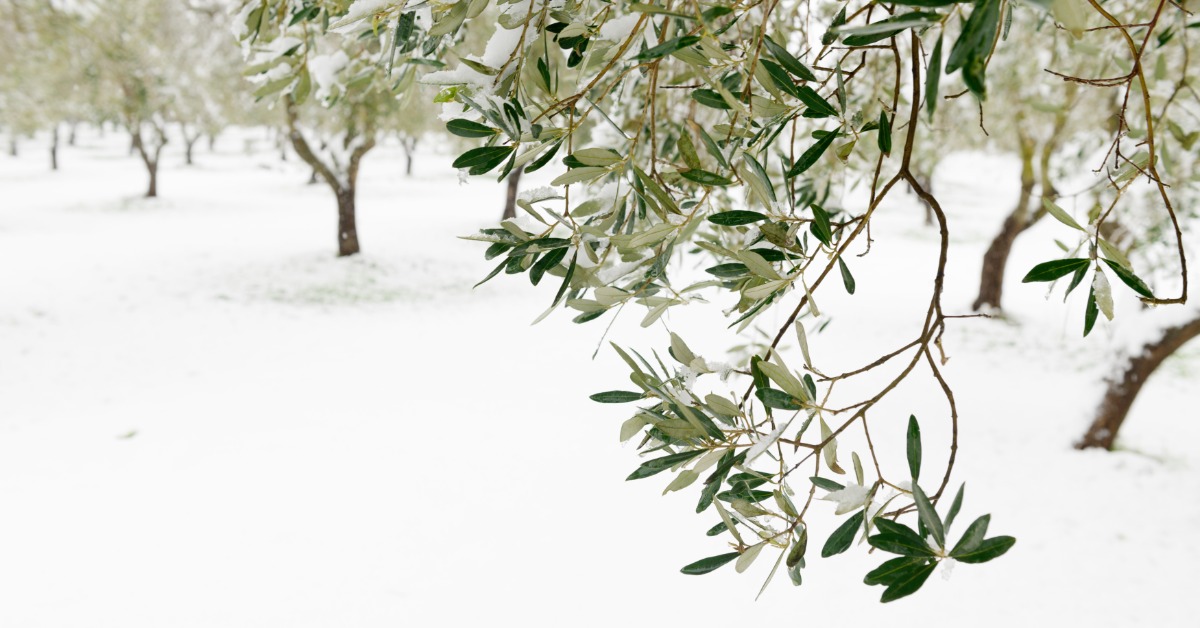
Olive trees bring a touch of Mediterranean charm to a backyard, with their silvery foliage, sturdy trunks, and potential for fresh fruit. Although these trees appreciate warm sunshine, winter weather can present challenges, especially in regions with freezing temperatures. A sudden cold snap, harsh winds, or excessive moisture can leave even a mature tree vulnerable to damage. These tips for protecting your olive tree during winter offer helpful ways to care for your tree throughout the season. Start with a few adjustments before temperatures drop, and you'll give your olive tree a much better chance of thriving year after year.
Choose a Sheltered Location for Your Olive Tree
The location of your olive tree can influence its ability to tolerate winter conditions. Trees near a south-facing wall may benefit from additional warmth because masonry absorbs heat during sunny afternoons and releases some of that warmth after sunset. Buildings and fences can also provide shelter from cold winds.
For trees already established in the landscape, consider temporary wind protection during particularly harsh weather. A burlap screen attached to sturdy stakes can reduce exposure without completely enclosing the tree. Leave adequate space between the screen and branches to prevent unnecessary friction.
If you haven't planted your olive tree yet, evaluate the yard before selecting its permanent location. Avoid low areas where cold air settles and water accumulates after heavy rainfall. A sunny, well-drained location offers a favorable environment throughout the year.
Protect the Roots With a Layer of Mulch
Paying attention to winter temperatures is among the best tips for growing olive trees in coastal environments for many reasons, including the impact on roots. An olive tree's roots deserve attention before the first hard freeze arrives. Although the branches receive most of the visible damage during cold weather, low soil temperatures can also harm the root system. A protective layer of mulch helps moderate temperature changes near the soil surface.
Apply approximately two to four inches of organic mulch around the base of your tree. Pine straw, shredded bark, and wood chips are suitable options because they provide insulation and gradually decompose. Extend the mulch across the root area rather than concentrate it directly against the trunk.
Leave several inches of bare soil around the trunk itself. Mulch piled against the bark can trap moisture and create conditions favorable to decay. This small adjustment allows you to protect the roots without introducing additional problems.
Cover Your Olive Tree Before Severe Frost
A breathable frost cloth can provide temporary protection when temperatures approach dangerous levels. Unlike plastic sheeting placed directly against foliage, horticultural frost fabric allows some air and moisture to pass through. It also reduces heat loss around the tree during cold nights.
Place the cover over the entire canopy and secure its edges near the ground to retain warmth from the soil. For smaller trees, stakes or a lightweight frame can support the fabric and prevent direct contact with delicate branches. Install the protection before temperatures fall below freezing.
Remove or ventilate the cover once temperatures rise, especially during sunny afternoons. Excessive warmth beneath a cover can stress foliage and interfere with normal air circulation. For extended freezes, additional protection may be necessary, since frost cloth alone can't prevent every type of cold injury.
Adjust Your Water Schedule During Winter
Olive trees generally need less water during winter because cooler temperatures reduce moisture loss. Their roots still require some moisture, but excessive irrigation can create unfavorable soil conditions. Saturated soil also increases the risk of root damage during cold weather.
Check the soil before you reach for the hose. If the upper few inches remain damp, allow additional time before the next irrigation. Established trees in the ground may receive adequate moisture from seasonal rainfall, although prolonged dry periods can call for supplemental water.
For container-grown trees, pay particular attention to drainage holes and saucers. Never allow the pot to sit in accumulated water. A modest amount of water during a mild afternoon is preferable to heavy irrigation immediately before a hard freeze.
Move Potted Olive Trees to a Protected Space
Container-grown olive trees offer greater flexibility because you can relocate them as winter approaches. Their roots are also more exposed to cold because the pot lacks the insulation provided by surrounding ground. Even a relatively brief freeze can affect a small container.
A cool greenhouse, enclosed porch, or bright garage with suitable light can provide protection during harsh weather. Ideally, choose a location with cool temperatures, natural light, and adequate ventilation. An unheated structure must still remain warm enough to protect the tree during severe freezes.
If you bring your olive tree indoors, avoid placing it beside heating vents or radiators. Extremely dry air and warm indoor temperatures can create additional stress. Return the tree outdoors gradually after the threat of frost passes, so its foliage has time to adapt to direct sunlight.
Avoid Heavy Pruning Before Winter
Late-season pruning can leave an olive tree more vulnerable to cold damage. Fresh growth stimulated by pruning may not have adequate time to mature before temperatures decline. Tender shoots are particularly susceptible to frost injury.
Instead, reserve major pruning for late winter or early spring, after the most severe cold has passed. Remove broken or hazardous branches when necessary, but avoid extensive cuts during autumn. This approach preserves more of the tree's natural canopy throughout winter.
After a freeze, resist the temptation to remove every discolored branch immediately. Some foliage may appear damaged even though the underlying wood remains alive. Wait until warmer weather reveals the extent of the injury before you decide how much material to remove.
Help Your Olive Tree Thrive Beyond Winter
Successful winter care begins with an understanding of your tree's environment and continues through thoughtful seasonal maintenance. Protective mulch, appropriate irrigation, temporary frost covers, and sheltered locations can all reduce exposure to cold-related stress. Even small adjustments can help preserve the health of a tree that has spent years establishing itself in your yard.
These tips for protecting your olive tree during winter can help you approach colder weather with greater confidence. Take time to assess your tree's needs, prepare before the next freeze, and monitor its condition as spring approaches. With attentive care and a little patience, you can help your olive tree remain a beautiful, productive part of your landscape for years to come.