


Important Laboratory Safety Tips You Should Know
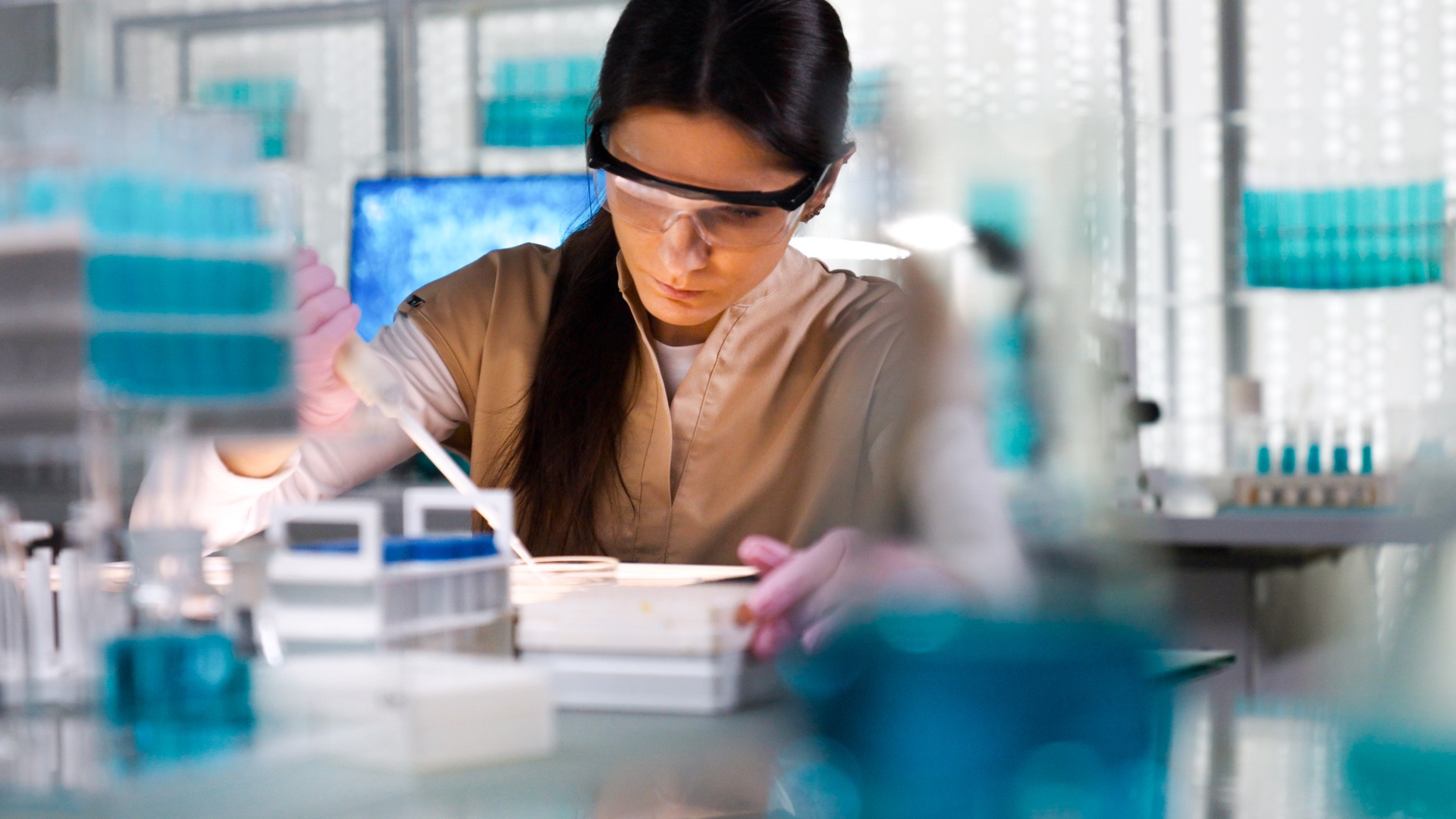
Laboratories give teams a controlled place to test materials and complete technical work, but that control depends on disciplined safety habits. Chemicals, gases, electrical equipment, pressurized cylinders, heat sources, and other hazards can share the same space, so even a routine task deserves care. Maintain a responsible workplace after reviewing these important laboratory safety tips you should know.
Know the Hazards Before Work Starts
Every laboratory has its own risk profile. A university chemistry lab may rely on solvents and acids, whereas an industrial facility may handle toxic gases, combustible vapors, or specialized process chemicals. Staff should review labels, safety data sheets, written procedures, and equipment manuals before they work with an unfamiliar substance or device.
Hazard awareness also extends beyond the material itself. Consider its concentration, quantity, storage location, possible reactions, and the route through which exposure could occur. A small amount of one chemical may pose a very different risk from a larger volume or a concentrated form. Staff who understand those distinctions can select precautions that fit the actual task.
Wear PPE That Fits the Hazard
A lab coat and safety glasses may be familiar sights, but personal protective equipment should match the hazards present. Depending on the task, personnel may need chemical-resistant gloves, splash goggles, face protection, protective suits, or respiratory equipment. No single PPE setup suits every laboratory procedure.
Fit and condition deserve attention as well. Torn gloves, cracked eye protection, damaged suit material, or a respirator with an unsuitable cartridge can leave personnel exposed. Inspect PPE before use and replace damaged components under the facility’s established safety procedures. Protective equipment should also stay accessible so staff don’t have to search for it once a task has begun.
Keep Work Areas Clean and Organized
Clutter can turn a manageable laboratory hazard into a larger problem. Containers near the edge of a bench can fall, blocked aisles can slow an exit, and loose cords can create trip hazards. A clean work area also gives personnel more room to handle equipment without accidental contact with nearby materials.
Return chemicals and tools to their designated locations after use. Keep exits, eyewash stations, safety showers, fire equipment, and other emergency resources free from obstruction. Waste should go into the correct container rather than remain on a work surface. Good housekeeping supports safer work and gives the laboratory a more controlled, professional environment.
Label and Store Chemicals Correctly
Clear labels help personnel identify a substance before they touch or use it. Follow the laboratory’s established requirements for chemical names, hazard information, dates, and other required details. Never rely on memory or the appearance of a liquid or gas container as a substitute for a proper label.
Storage deserves the same level of care. Chemicals may require separation based on compatibility, hazard class, temperature, or other manufacturer guidance. Gas cylinders also require suitable storage and secure placement under applicable facility procedures. A neat shelf isn’t automatically a safe shelf if incompatible substances sit beside each other.
Use Gas Detection Where the Hazard Calls for It
Laboratories are among the many industries that require formaldehyde detection equipment, and for good reason. Some laboratory hazards can’t be detected by sight or smell. Toxic gases and vapors may reach hazardous concentrations before personnel recognize a problem, and reliance on odor can provide a false sense of security. Gas detection equipment can give staff objective information about atmospheric conditions when selected for the target hazard.
The detector must suit the substance and environment. Different sensor technologies respond to different gases or vapors, so laboratories should select equipment based on the contaminants that may be present. A monitor also requires care after purchase. Follow manufacturer instructions for calibration, functional checks, sensor replacement, battery care, and service intervals. Staff should understand the device’s alarms and know what facility procedure applies after an alarm activates.
Never Treat Fume Hoods as Storage Cabinets
A chemical fume hood serves a specific purpose, which is to help control exposure to airborne contaminants when used under the laboratory’s established procedures. Excess containers, boxes, equipment, and other materials inside the hood can interfere with its intended function. Keep the work area as clear as practical and follow the manufacturer’s instructions plus site-specific rules.
Personnel should also know the hood’s status before they rely on it. Facilities may use indicators or other methods to confirm that the unit operates as intended. If a hood appears damaged or fails a required check, staff should follow site procedure rather than proceed as usual.
Handle Compressed Gas Cylinders With Care
Compressed gas cylinders deserve respect even when their contents aren’t toxic or flammable. High internal pressure creates its own hazard, and the properties of the gas can add further risk. Secure cylinders with approved restraints and keep protective caps in place when facility procedures call for them.
Personnel should use regulators, fittings, and other components that are compatible with the gas and cylinder. Cylinders should also stay away from conditions prohibited by the supplier or site policy. Clear identification helps prevent accidental connections or use of the wrong gas for a laboratory procedure.
Prepare for Spills and Other Emergencies
A laboratory safety plan shouldn’t begin after a spill, gas alarm, splash, fire, or other incident occurs. Staff need clear procedures for evacuation, notification, first response, and access to emergency equipment. They should also know when a situation exceeds their authorized response role.
Spill supplies should match the materials used within the facility. Emergency contact information should remain current and easy to locate. Eyewash stations, safety showers, exits, and other response resources should stay accessible at all times. Periodic drills and procedure reviews can help personnel recall the correct steps under pressure.
Report Damage, Spills, and Unusual Conditions
Small problems can provide an early clue that a larger hazard exists. A strange odor, damaged cable, leaking connection, cracked container, failed alarm, or unexpected instrument result deserves attention under the laboratory’s reporting procedure. Staff shouldn’t improvise repairs unless they have authorization and the proper qualifications.
Prompt reports also give supervisors a chance to address equipment or procedural problems before the next person encounters them. Clear records can support maintenance and future safety decisions. A strong laboratory culture treats hazard reports as useful information rather than an inconvenience.
Put These Tips Into Practice
There are many important laboratory safety tips you should know, but they are easy to complete on a regular basis. Safe laboratory work comes from consistent habits rather than a single rule or piece of equipment. Each laboratory should adapt its procedures to the substances, equipment, and tasks present at the site. Use the tips above to keep your lab equally responsible and productive starting today.