


How To Make Sure Your Smoke Detectors Are Working Correctly
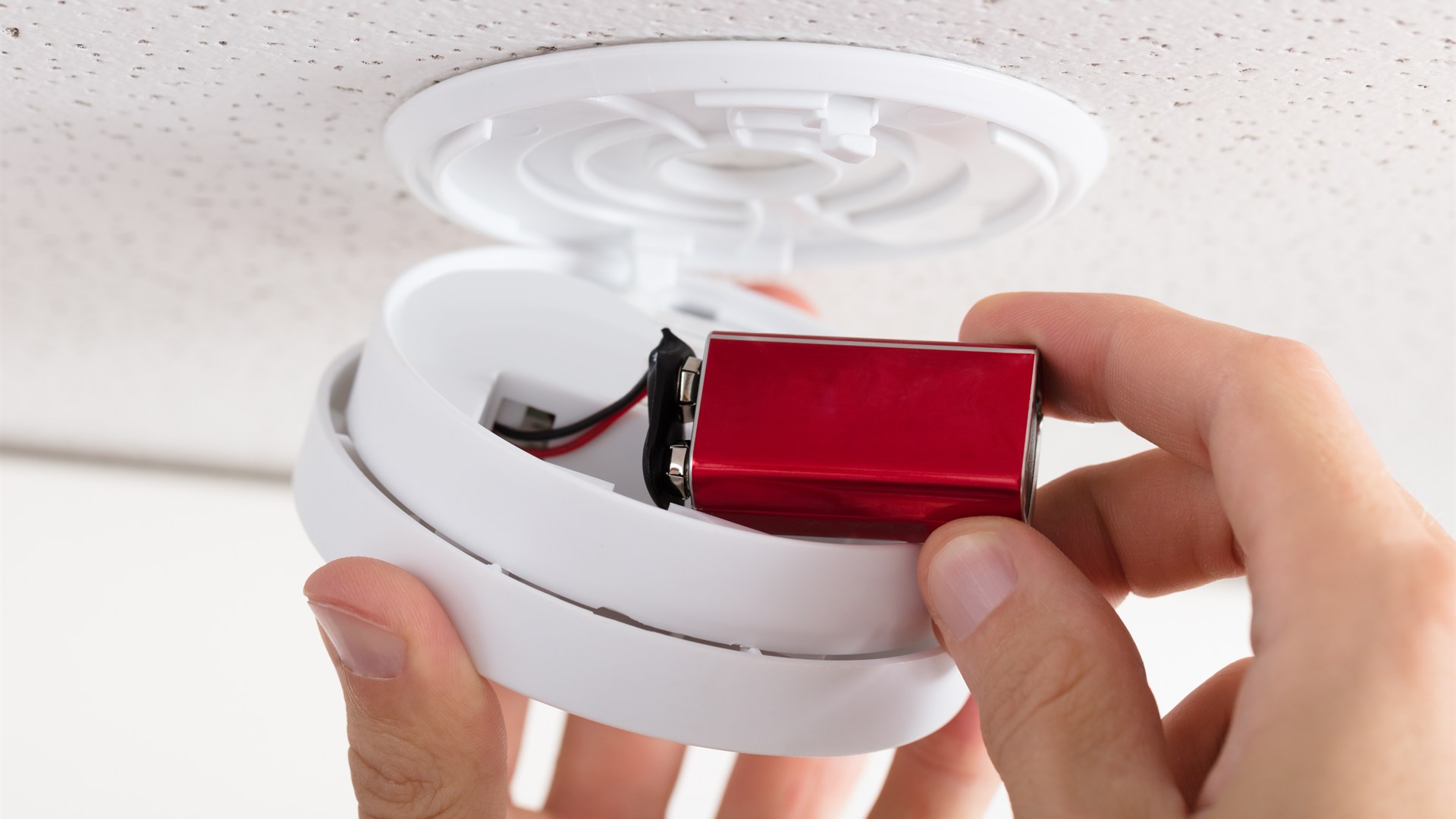
Smoke detectors play an important role in protecting your home and everyone inside it. They provide an early warning when smoke enters an area, giving you valuable time to escape before a fire becomes more dangerous. However, simply installing smoke detectors doesn't guarantee they'll work when you need them. Regular maintenance and proper placement help ensure these devices can do their jobs effectively. Understanding how to test your detectors and recognize potential problems can make a significant difference in your home's fire safety. Fortunately, keeping your smoke detectors in good condition doesn't require much time or effort.
Test Your Smoke Detectors Every Month
Monthly testing offers one of the easiest ways to confirm that your smoke detectors work correctly. Most models feature a test button that activates the alarm when you press and hold it.
Follow the manufacturer's instructions when testing each device. You should hear a loud alarm that confirms the unit's electronic components can produce a warning sound. If the alarm sounds weak or doesn't activate, investigate the problem immediately.
Keep in mind that the test button doesn't necessarily verify the detector's ability to sense smoke. It primarily checks the alarm circuitry and other functions, depending on the model.
Check Your Smoke Detector Batteries
Many smoke detectors rely on batteries for power, while hardwired models often use backup batteries during electrical outages. Either way, battery maintenance remains essential.
If your detector uses replaceable batteries, follow the manufacturer's replacement schedule. Some models require annual battery changes, while others use long-life batteries that last for the detector's entire service life.
Never remove a battery simply because an alarm becomes annoying. Instead, identify what's triggering the device and address the problem.
Understand What Different Alarm Sounds Mean
Smoke detectors often communicate problems through different sounds. Recognizing these signals helps you respond appropriately.
A continuous alarm generally indicates a possible fire or smoke emergency. A short chirp at regular intervals often signals a low battery or another maintenance issue.
However, different manufacturers use different warning patterns. Consult your detector's manual to understand its specific signals.
Never assume that an unfamiliar alarm means something harmless. If you suspect a fire, leave the building immediately and contact emergency services from a safe location.
Clean Your Smoke Detectors Regularly
Dust accumulation can interfere with smoke detection and contribute to unwanted alarms. Regular cleaning helps prevent these problems.
Use a soft brush attachment on your vacuum cleaner to remove dust from the detector's exterior openings. Follow the manufacturer's cleaning instructions, and avoid opening the unit unless the instructions specifically allow it.
Never spray cleaning chemicals directly onto a smoke detector. Moisture and chemical residue can damage sensitive internal components.
Consider cleaning your detectors whenever you perform your monthly safety checks. This simple habit can help maintain their performance.
Make Sure Your Detectors Have Proper Placement
Even a functioning smoke detector might not provide adequate protection if you install it in the wrong location.
For typical residential properties, follow these general placement recommendations:
- Install smoke detectors inside every bedroom and sleeping area.
- Place additional detectors outside each separate sleeping area.
- Install at least one smoke detector on every level, including the basement.
- Follow manufacturer instructions for ceiling or wall mounting.
- Keep detectors away from locations where cooking fumes or steam frequently trigger unwanted alarms.
Local building codes may require additional devices or specific installation arrangements.
Proper placement allows detectors to identify smoke early enough to provide occupants with a meaningful warning.
Know When Your Smoke Detectors Need Replacement
Smoke detectors don't last forever. Their internal sensors and electronic components can deteriorate as they age.
Most residential smoke alarms require replacement 10 years after their manufacture date. Check the label on the back of each unit to determine its age.
If you can't identify the manufacture date, consider replacing the detector rather than assuming it still works correctly.
You should also replace a detector if it repeatedly malfunctions despite appropriate maintenance. A device that passes its button test may still need replacement because of its age.
Understand the Different Types of Smoke Detectors
Different smoke detection technologies respond to fires in different ways. Understanding these differences helps homeowners make informed decisions about their equipment.
Ionization alarms generally respond quickly to certain fast-flaming fires. Photoelectric alarms often respond faster to smoldering fires that produce substantial smoke.
Dual-sensor models combine both technologies, while other products use advanced detection methods.
When choosing a smoke detector, consider models that provide protection against both flaming and smoldering fires. Look for devices that meet applicable safety standards and suit your home's layout.
The right technology can improve detection across different fire conditions.
Pay Attention to Frequent False Alarms
Frequent unwanted alarms can indicate placement problems or maintenance issues. Cooking smoke, bathroom steam and accumulated dust commonly contribute to these situations.
Start by identifying the source of the unwanted alarm. If cooking activities repeatedly activate a nearby detector, review its placement against manufacturer recommendations and local requirements.
Avoid disabling the device to prevent future interruptions.
Some modern smoke detectors include temporary silence features that help manage nuisance alarms without completely removing protection.
If unwanted alarms continue, consult the manufacturer or a qualified professional to determine whether the detector needs replacement.
Inspect Hardwired Smoke Detectors Carefully
Hardwired smoke detectors connect to your home's electrical system, often with battery backup for power outages.
Check these detectors regularly, just as you would battery-powered models. A hardwired connection doesn't eliminate the possibility of equipment failure.
Look for visible damage, loose mounting or unusual warning signals. If you suspect an electrical problem, contact a qualified electrician. Never attempt electrical repairs without appropriate training.
Some hardwired systems also connect multiple detectors so that one alarm activates others throughout the home. Confirm that this interconnection works according to the manufacturer's testing instructions.
Consider Interconnected Smoke Detectors
Interconnected smoke detectors offer additional protection by alerting occupants throughout the building when one unit detects smoke.
This feature can prove especially useful in larger homes where someone might not hear an alarm from another floor. Manufacturers offer both hardwired and wireless interconnected systems.
When installing these devices, verify that the models work together and follow their setup instructions carefully.
Test the interconnection feature periodically to confirm that every compatible alarm responds as intended.
An interconnected system can improve warning coverage, particularly when household members sleep behind closed doors.
Create a Smoke Detector Maintenance Schedule
A consistent maintenance routine makes it easier to keep every smoke detector functioning correctly.
Mark monthly testing dates on your calendar and maintain a record of battery replacements. You can also document each detector's manufacture date to simplify future replacement planning.
If you manage a larger property, assign responsibility for checking individual devices.
Keeping accurate records helps prevent missed inspections and makes it easier to identify recurring problems.
Combine these checks with other household safety tasks to make the routine easier to maintain.
Know When To Contact a Professional
Although homeowners can handle basic smoke detector maintenance, certain problems require professional assistance.
Contact a qualified electrician if your hardwired detectors repeatedly lose power or show signs of electrical damage.
You may also benefit from professional guidance when installing interconnected systems or determining whether your property meets local fire safety requirements.
For commercial buildings, follow applicable inspection and testing requirements, which may differ substantially from residential recommendations.
Professional assistance can help resolve complicated issues without compromising your safety.
Keep Your Household Prepared for Emergencies
Working smoke detectors represent only one part of effective fire protection. Everyone in your household should understand what to do when an alarm activates.
Develop a fire escape plan that identifies two possible exits from each room whenever practical. Practice the plan regularly and establish a safe outdoor meeting location.
Teach children to recognize smoke alarm sounds and respond immediately.
Don't waste time investigating a possible fire when an alarm signals danger. Prioritize evacuation and contact emergency services once everyone reaches safety.
Regular testing, maintenance, and a practiced escape plan can help make sure your smoke detectors provide the protection your household needs.