


How to Improve Efficiency in Spray Coating Projects
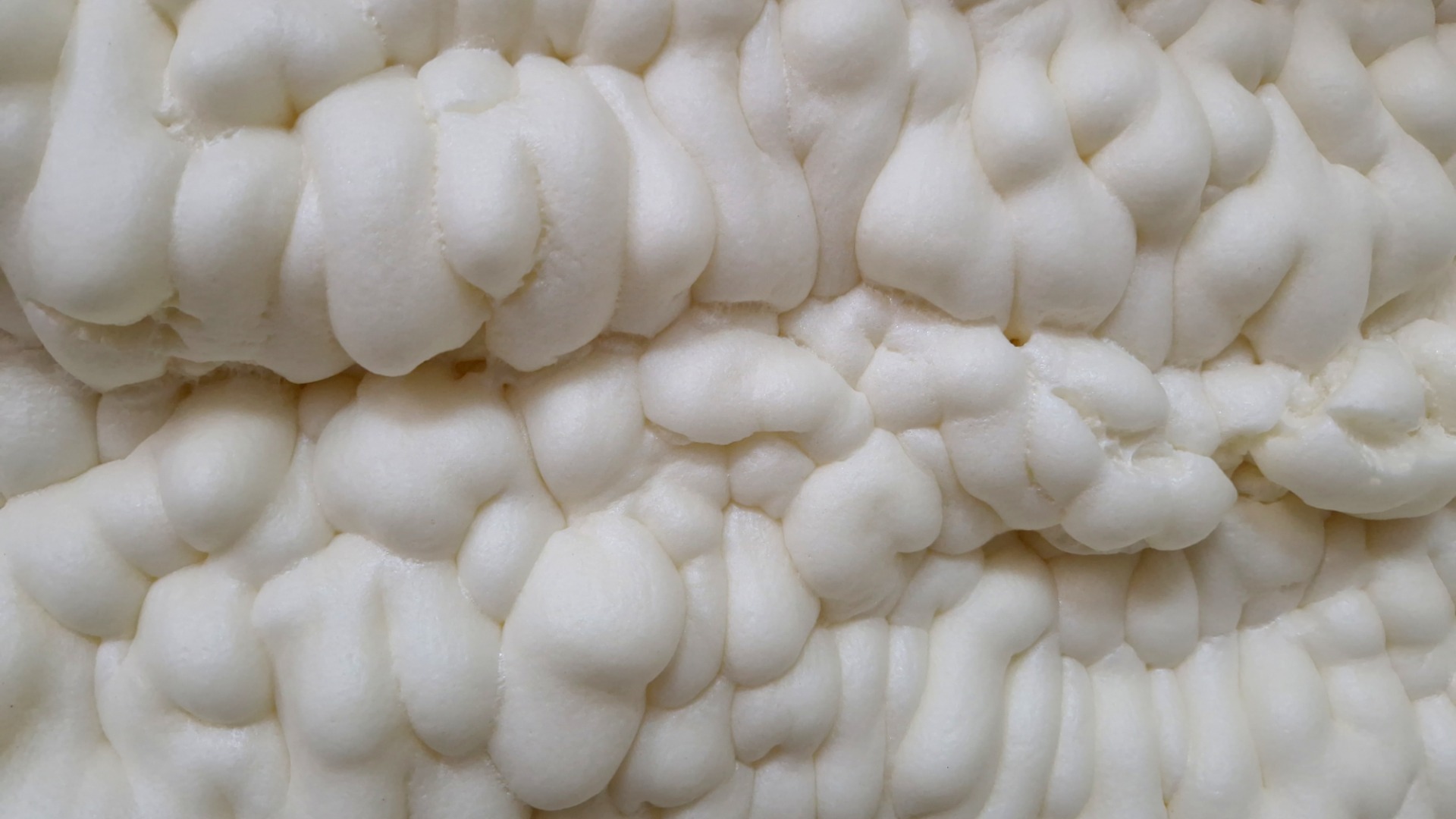
Spray coating is a critical process across industries, from automotive refinishing to industrial manufacturing and construction. When done correctly, it delivers smooth, even finishes with speed and precision. However, inefficiencies in preparation, equipment use, or technique can quickly lead to wasted materials, inconsistent coverage, and increased labor costs. Knowing how to improve efficiency in spray coating projects is not just about working faster, it is about working smarter at every stage of the process.
Understanding the Importance of Efficiency in Spray Coating
Efficiency in spray coating directly impacts productivity, cost control, and overall quality. When projects run smoothly, less material is wasted, fewer corrections are needed, and timelines are easier to meet. This not only reduces expenses but also enhances client satisfaction and repeat business opportunities.
Inefficient spray coating, on the other hand, often results in uneven finishes, overspray, and excessive downtime. These issues can compound quickly, especially in large-scale operations. By identifying areas for improvement and implementing best practices, teams can achieve consistent, high-quality results while maximizing output.
Proper Surface Preparation Sets the Foundation
One of the most overlooked aspects of efficient spray coating is surface preparation. No matter how advanced your equipment or skilled your operators are, poor preparation will undermine the final result. Surfaces must be clean, dry, and free of contaminants such as dust, grease, or old coatings that could interfere with adhesion.
Taking the time to properly prepare surfaces reduces the need for rework and ensures better coating performance. This includes sanding rough areas, repairing imperfections, and applying appropriate primers when necessary. When preparation is done correctly, the coating process becomes smoother and more predictable, allowing operators to work more efficiently.
Choosing the Right Equipment for the Job
Selecting the appropriate spray equipment is essential for improving efficiency. Different projects require different types of spray systems, and using the wrong one can lead to uneven coverage or excessive material usage. For instance, if you’re working with polyurea, you’ll want to know how to find the best high-pressure hose for the job.
Modern spray systems often include features that enhance control and reduce waste. Adjustable pressure settings, precision nozzles, and ergonomic designs help operators maintain consistency and reduce fatigue. Investing in high-quality equipment may require a higher upfront cost, but it often pays off through improved efficiency and reduced long-term expenses.
Optimizing Spray Techniques for Consistency
Even with the right equipment, inefficient techniques can hinder performance. Operators should focus on maintaining consistent spray patterns, proper distance from the surface, and steady movement. Uneven passes or inconsistent angles can lead to streaks, runs, or uneven thickness.
Training plays a significant role in improving technique. Experienced operators understand how to adjust their approach based on the material being used and the conditions of the environment. Practicing proper overlap and maintaining a consistent pace ensures uniform coverage and reduces the likelihood of errors that require correction.
Reducing Overspray and Material Waste
Overspray is one of the most common sources of inefficiency in spray coating projects. It not only wastes material but can also create additional cleanup and environmental concerns. Controlling overspray requires a combination of proper equipment settings, technique, and workspace setup.
Using the correct nozzle size and pressure settings helps ensure that the coating is applied where it is needed. Additionally, setting up barriers or using spray booths can contain excess material and improve safety. By minimizing overspray, teams can make better use of their resources and reduce overall project costs.
Maintaining Equipment for Reliable Performance
Regular maintenance is essential for keeping spray equipment operating efficiently. Clogged nozzles, worn components, and inconsistent pressure can all lead to poor performance and wasted time. Routine cleaning and inspection help prevent these issues and extend the lifespan of the equipment.
Operators should develop a maintenance schedule that includes cleaning after each use and checking for signs of wear or damage. Addressing small issues early prevents larger problems that could disrupt a project. Well-maintained equipment ensures consistent output and reduces the risk of unexpected downtime.
Managing Environmental Conditions
Environmental factors can significantly impact the efficiency of spray coating projects. Temperature, humidity, and airflow all play a role in how coatings behave during application and drying. Ignoring these factors can lead to defects such as bubbling, cracking, or uneven finishes.
Creating a controlled environment helps ensure consistent results. Proper ventilation improves airflow and reduces the buildup of fumes, while maintaining stable temperature and humidity levels allows coatings to cure as intended. By managing these conditions, teams can avoid delays and improve overall efficiency.
Streamlining Workflow and Project Planning
Efficiency is not just about the spraying process itself; it also involves how projects are planned and executed. A well-organized workflow minimizes downtime and ensures that each stage of the project transitions smoothly into the next.
This includes scheduling tasks in a logical sequence, ensuring that materials and equipment are readily available, and coordinating team efforts effectively. Clear communication among team members helps prevent misunderstandings and keeps the project on track. When workflows are streamlined, productivity increases and deadlines become easier to meet.
Training and Skill Development for Teams
Investing in training is one of the most effective ways to improve efficiency in spray coating projects. Skilled operators are better equipped to handle challenges, adapt to different materials, and maintain consistent quality. Ongoing training ensures that teams stay up to date with the latest techniques and technologies.
Hands-on experience combined with formal instruction helps build confidence and competence. When operators understand the nuances of spray coating, they can work more efficiently and produce better results. This not only benefits individual projects but also contributes to long-term success.
Leveraging Technology and Automation
Advancements in technology have introduced new opportunities for improving efficiency in spray coating. Automated systems and robotic sprayers can handle repetitive tasks with precision and consistency. These solutions are particularly valuable in large-scale operations where uniformity is essential.
Digital monitoring tools can also provide insights into performance and identify areas for improvement. By analyzing data, teams can make informed decisions that enhance efficiency and reduce waste. While automation may not be suitable for every project, it can significantly improve productivity when implemented effectively.
Improve Performance
Improving efficiency in spray coating projects requires a comprehensive approach that addresses every stage of the process. From proper surface preparation and equipment selection to technique optimization and environmental control, each element plays a vital role in achieving consistent, high-quality results.
By focusing on reducing waste, maintaining equipment, and investing in training, teams can streamline their operations and maximize productivity. Whether working on small-scale applications or large industrial projects, prioritizing efficiency leads to better outcomes, lower costs, and a more competitive edge in the industry.