


How Environmental Conditions Affect Warehouse Operations
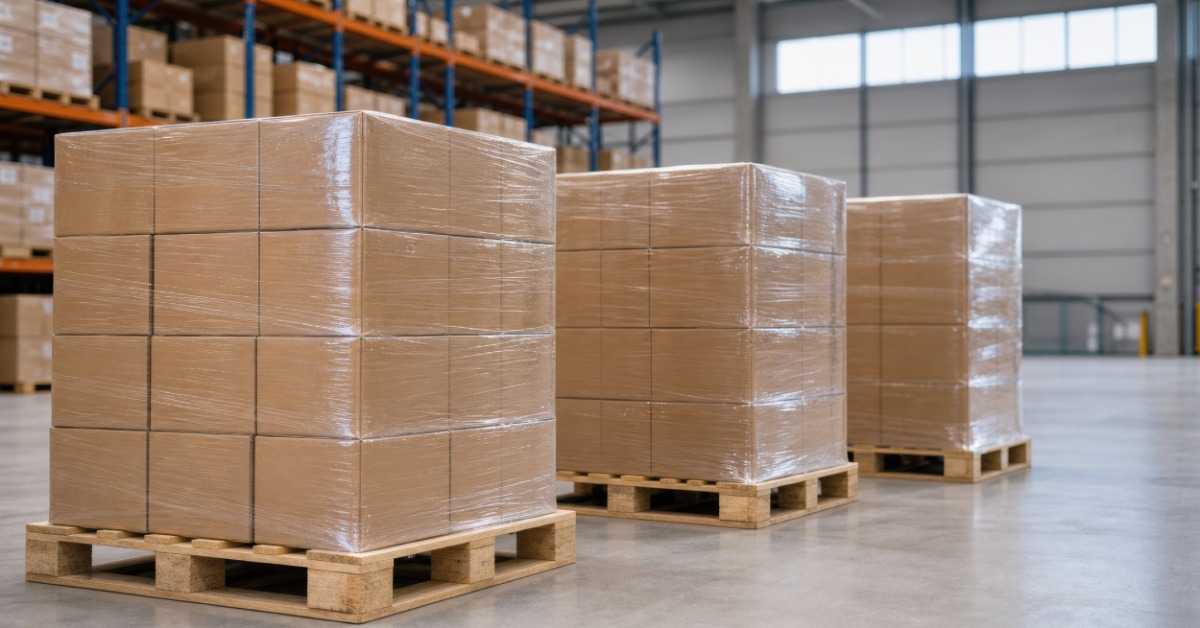
Warehouses may seem like straightforward spaces designed to store and move products, but the conditions inside these buildings have a surprising influence on daily operations. Temperature fluctuations, excess moisture, dust, and poor ventilation affect everything from inventory quality to equipment performance and employee comfort. Even minor environmental changes can create challenges that aren’t immediately noticeable. Understanding how environmental conditions affect warehouse operations reveals why maintaining a stable indoor environment is an important part of keeping products protected, employees comfortable, and everyday activities running efficiently.
Why Warehouse Temperatures Matter More Than You Think
Temperature plays a major role in warehouse operations, particularly in facilities with large open spaces, high ceilings, and loading doors that frequently open throughout the day. These features make maintaining consistent indoor temperatures more challenging than in smaller commercial buildings.
Excessive heat can affect temperature-sensitive products, weaken certain packaging materials, and place additional strain on equipment. Some adhesives may soften, electronic components can become more vulnerable to overheating, and products requiring controlled storage conditions may deteriorate more quickly. Cold temperatures create different challenges, including reduced battery performance, increased brittleness in certain plastics, and condensation when warmer air comes into contact with cold surfaces.
Temperature also influences employee comfort and productivity. Workers who spend long hours moving inventory or operating equipment may experience greater fatigue in excessively hot or cold environments. Maintaining suitable temperatures helps protect stored goods while supporting safer and more comfortable working conditions.
Humidity Can Cause More Trouble Than Expected
Humidity is one of the less obvious environmental factors affecting warehouses, yet it can create significant problems when left unmanaged. Excess moisture in the air can weaken cardboard packaging, contribute to corrosion on metal surfaces, and encourage mold growth on susceptible materials. These issues may develop gradually, making them easy to overlook until visible damage appears.
Wooden pallets are especially sensitive to moisture because wood naturally absorbs and releases water as surrounding conditions change. Variations in moisture content and wooden pallet performance demonstrate how humidity can influence the materials used to support and transport warehouse inventory. Excessive moisture may cause wood to swell or become more susceptible to biological growth, while overly dry conditions can contribute to shrinking or cracking.
Managing humidity involves more than adjusting the thermostat. Proper ventilation, moisture monitoring, dehumidification when necessary, and keeping materials away from damp surfaces protects inventory and storage equipment. Regular inspections are also useful for identifying moisture-related concerns before they develop into larger operational problems.
Dust Has a Way of Getting Everywhere
Dust is unavoidable in busy warehouses, where cardboard packaging, moving equipment, incoming shipments, and everyday material handling continually introduce small particles into the environment. Although dust may appear to be little more than a housekeeping concern, excessive accumulation can affect machinery, stored products, and indoor air quality.
Dust buildup on sensors, ventilation systems, and moving equipment components can interfere with performance and increase maintenance requirements. Airborne particles may also create uncomfortable working conditions, particularly in enclosed spaces where ventilation is limited.
Consistent cleaning practices and appropriate air filtration help reduce these concerns. Keeping storage areas organized, maintaining ventilation equipment, and addressing sources of excessive dust can contribute to a cleaner, more efficient working environment without requiring major operational changes.
Good Airflow Keeps Things Moving Smoothly
Air circulation is another important consideration because conditions aren’t always uniform throughout a warehouse. Areas near loading docks may experience frequent temperature changes, while enclosed corners or tightly packed storage sections can develop pockets of stagnant air.
Without adequate circulation, certain areas may retain heat or moisture, exposing products to different conditions within the same building. Balanced airflow distributes temperatures more evenly and reduces localized humidity problems that might otherwise affect packaging or stored materials.
However, excessive airflow can introduce its own complications. Strong drafts near open doors may carry dust indoors, disturb lightweight packaging, or make workstations uncomfortable. Effective ventilation focuses on maintaining consistent conditions without creating disruptions to daily activities.
Every Season Brings Something Different
Seasonal weather changes influence warehouse conditions even when a facility has reliable heating, cooling, and ventilation systems. Summer heat may increase indoor temperatures and humidity, while winter weather can introduce cold air, snow, and moisture through entrances and loading areas. Spring and fall bring frequent temperature swings that make indoor conditions harder to predict.
Loading docks are particularly vulnerable because opening large doors allows outdoor air to enter the building. Depending on the weather, this exchange can introduce humidity, dust, or substantial temperature changes that affect nearby storage areas.
Warehouse operators can limit these effects by maintaining door seals, using appropriate weather barriers, inspecting drainage systems, and preparing heating or cooling equipment before seasonal extremes arrive. Routine maintenance helps facilities adapt to changing conditions while reducing interruptions.
When the Environment Starts Affecting Equipment
Environmental conditions influence more than the products stored on warehouse shelves. Forklifts, conveyor systems, scanners, and other machinery can also experience performance issues when exposed to excessive heat, moisture, cold, or dust.
Condensation may affect sensitive electronic components, while dust accumulation can increase wear on mechanical parts. Moisture entering through loading areas can also create slippery floors, introducing additional safety concerns for employees and equipment operators.
These problems may seem relatively minor individually, but repeated interruptions slow inventory movement and increase maintenance needs. Regular equipment inspections, preventive maintenance, and prompt attention to changing environmental conditions can help facilities avoid disruptions.
Simple Ways To Keep Warehouse Conditions Under Control
Maintaining a suitable warehouse environment doesn’t require extensive renovations or expensive technology. Consistent monitoring and practical maintenance habits address many common concerns before they become costly.
Tracking temperature and humidity throughout different storage areas helps identify inconsistencies that a single monitoring point might miss. Inspecting pallets, packaging, and stored products for signs of moisture damage or deterioration can reveal developing problems, while keeping ventilation systems clean supports more reliable airflow.
Warehouse teams also benefit from checking door seals, maintaining dry loading areas, and preparing equipment for seasonal weather changes. Encouraging employees to report unusual conditions provides another opportunity to catch concerns early, particularly in areas where environmental monitoring is limited.
A Little Environmental Awareness Goes a Long Way
Warehouse efficiency depends on more than organized shelves, reliable equipment, and timely shipments. The surrounding environment plays an important role in protecting inventory, supporting employees, and maintaining consistent operations.
Understanding how environmental conditions affect warehouse operations highlights the value of paying attention to temperature, humidity, dust, airflow, and seasonal changes. With regular monitoring and thoughtful maintenance, warehouses can reduce damage, improve working conditions, and keep daily activities running smoothly throughout the year.