


How Aggregate Plants Can Improve Dust Control
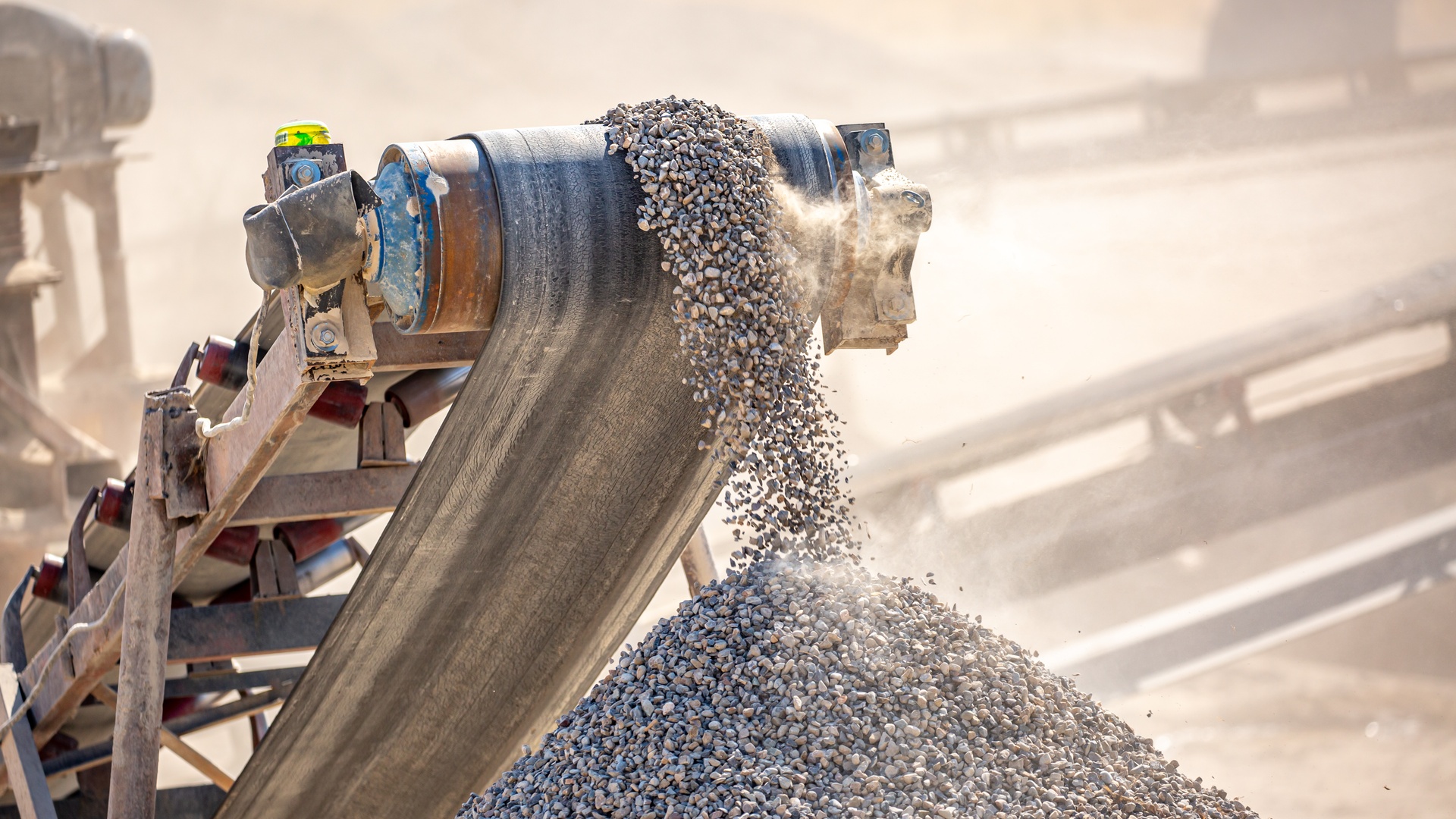
Dust fills aggregate plants as heavy machinery crushes rock and transports material through processing equipment. The fine, airborne particles introduce visibility problems while exposing workers to potentially harmful substances. In order to improve dust control in aggregate plants, teams must identify where the particles escape and contain the materials at the source.
1. Install Water Sprays at Crushing Equipment
Crushing operations produce airborne dust as machinery breaks large rocks into smaller pieces. The impact releases fine particles that travel through equipment openings and surrounding work areas. Water spray systems address these emissions by wetting the material as it enters the crushing chamber.
Position spray nozzles near the crusher’s feed opening so moisture reaches the rock before crushing begins. Additional nozzles near discharge points capture particles escaping with processed material. The National Institute for Occupational Safety and Health (NIOSH) recommends controlling crushing dust through wet suppression and local exhaust ventilation.
Adjust Water Pressure and Spray Coverage
Proper nozzle placement determines how effectively water reaches dust-generating surfaces. Fan-shaped sprays distribute moisture across incoming material while limiting excessive water application.
Inspect nozzle alignment during routine maintenance and remove mineral deposits that obstruct spray patterns. Excessive pressure could force dust through enclosure openings, so operators must balance spray coverage against airflow disturbances. NIOSH recommends maintaining water pressure below 60 psi during initial crushing stages.
2. Contain Dust Along Conveyor Systems
Conveyor belts transport processed stone between crushing stations and screening equipment. Dust escapes when material drops onto moving belts or spills around conveyor edges. Consequently, addressing these release points limits the amount of material entering surrounding work areas.
Install Conveyor Skirting and Covers
Rubber skirting seals gaps between conveyor belts and loading chute walls. The flexible material follows the belt’s movement and prevents loose aggregate from spilling along transfer zones.
Install skirting along the loading section where incoming material settles onto the belt. Protective covers along exposed conveyor sections limit wind disturbance and prevent loose particles from blowing away.
Control Material Movement at Transfer Points
Large drops between conveyor sections release considerable dust when aggregate strikes the receiving surface. Reducing the drop height decreases material impact and the surrounding air disturbance.
Rock boxes and sloped transfer chutes guide aggregate through a controlled descent. Where equipment layouts permit, telescopic chutes shorten the exposed distance between discharge openings and receiving surfaces. These configurations follow recommendations from NIOSH’s mineral processing guidance.
3. Capture Airborne Dust With Collection Systems
Some processing areas require dust collection equipment because water could interfere with material quality or downstream operations. Enclosed screening stations and dry processing equipment frequently benefit from localized extraction systems.
Dust collectors use fans to draw contaminated air through ductwork connected to collection points. Air passes through filtration media that capture suspended particles before the system releases the treated air. Adequate collection depends on maintaining airflow at each extraction opening.
Maintain Filter Performance and Airflow
Accumulated dust eventually restricts airflow through collection filters. Operators must monitor pressure differential readings to identify developing restrictions and schedule maintenance according to equipment specifications.
Many industrial collection systems use compressed air pulses to dislodge accumulated particles from filter surfaces. Maintaining dependable pulse-cleaning equipment involves selecting high-quality filters for pneumatic systems to protect control valves and other compressed-air components from contamination.
Inspect duct connections and collection hoppers during scheduled shutdowns. Leaking ductwork weakens suction at extraction points, and overflowing collection bins interfere with proper material discharge.
4. Manage Dust on Plant Access Roads
Haul trucks generate substantial airborne dust as their tires disturb loose material along unpaved roads. Repeated vehicle traffic breaks surface particles apart and carries them into the surrounding air. Roads connecting stockpiles and processing areas consequently require dedicated dust management.
Establish a Road Watering Schedule
Water trucks distribute moisture across unpaved surfaces to limit particle movement beneath vehicle tires. Apply water before heavy traffic periods and adjust application frequency according to road conditions.
Inspect heavily traveled sections throughout the shift because wind and sunlight accelerate surface drying. Avoid excessive watering that produces mud or compromises vehicle traction.
Control Vehicle Speeds
Higher vehicle speeds generate greater air turbulence around tires and cargo. Establish posted speed limits that reflect road conditions and operational requirements.
Supervisors can reinforce these limits through driver training and routine observations. Maintaining consistent speeds across loading routes limits unnecessary surface disturbance and improves visibility around moving equipment.
5. Protect Aggregate Stockpiles From Wind
Outdoor stockpiles contain fine particles that wind currents lift from exposed surfaces. Freshly deposited material presents a significant concern because loose fines haven’t settled into the pile. Stockpile emissions depend on material moisture, fine particle content, and handling activity.
Position Stockpiles To Limit Wind Exposure
Where site layouts permit, place stockpiles behind existing terrain features or properly designed wind barriers. These structures interrupt direct wind exposure and limit surface erosion.
Separate active loading areas from stockpiles receiving little traffic. Frequent material handling disturbs settled fines, so concentrating activity in designated locations simplifies dust management.
Apply Suitable Surface Treatments
Water application provides temporary moisture, although surface drying limits its effectiveness on exposed stockpiles. Approved dust-suppression agents offer another option by improving moisture retention or binding surface particles.
Choose treatments according to aggregate specifications and environmental requirements. Materials intended for concrete production may have restrictions on chemical additives that could affect product quality.
6. Improve Housekeeping Around Processing Equipment
Dust gradually accumulates beneath conveyor belts and around machinery foundations. Equipment vibration and passing vehicles disturb these deposits, sending settled particles back into the air.
Routine housekeeping prevents accumulation from becoming a recurring source of airborne dust. Schedule cleaning around production cycles and assign responsibilities to designated maintenance personnel.
Use Dust-Conscious Cleaning Methods
Dry sweeping and compressed-air cleaning disperse fine particles throughout work areas. Industrial vacuum equipment with appropriate high-efficiency particulate air (HEPA) filtration captures accumulated material with minimal airborne disturbance.
Where conditions permit, wet cleaning methods provide another effective option. OSHA’s respirable crystalline silica guidance addresses restrictions on dry sweeping and compressed-air cleaning when these activities contribute to silica exposure.
7. Monitor Dust Control Throughout Production
Installing control equipment represents one part of a successful dust management program. Changing production volumes and equipment wear influence how effectively existing measures perform.
Supervisors can document visible dust releases during operating inspections and compare conditions across shifts. However, visual inspections cannot establish whether respirable dust exposure remains within applicable occupational limits.
Conduct Exposure Assessments
Qualified personnel should evaluate worker exposure using appropriate air sampling methods. Testing identifies fine particles that remain airborne even when visible dust appears limited.
Use monitoring results to evaluate control performance and prioritize improvements in areas with elevated exposure. Regular equipment inspections and documented corrective actions establish accountability across the facility.
Maintain Effective Dust Control Across the Plant
Effective aggregate plant dust control depends on consistent attention to equipment conditions and changing operating demands. Even established systems require adjustments as production schedules shift and material characteristics change.
Plant managers should establish clear inspection procedures and encourage employees to report dust releases as they occur. Addressing developing problems promptly protects working conditions and promotes responsible aggregate production.