


A Guide to State Gemstones in the Midwest and West
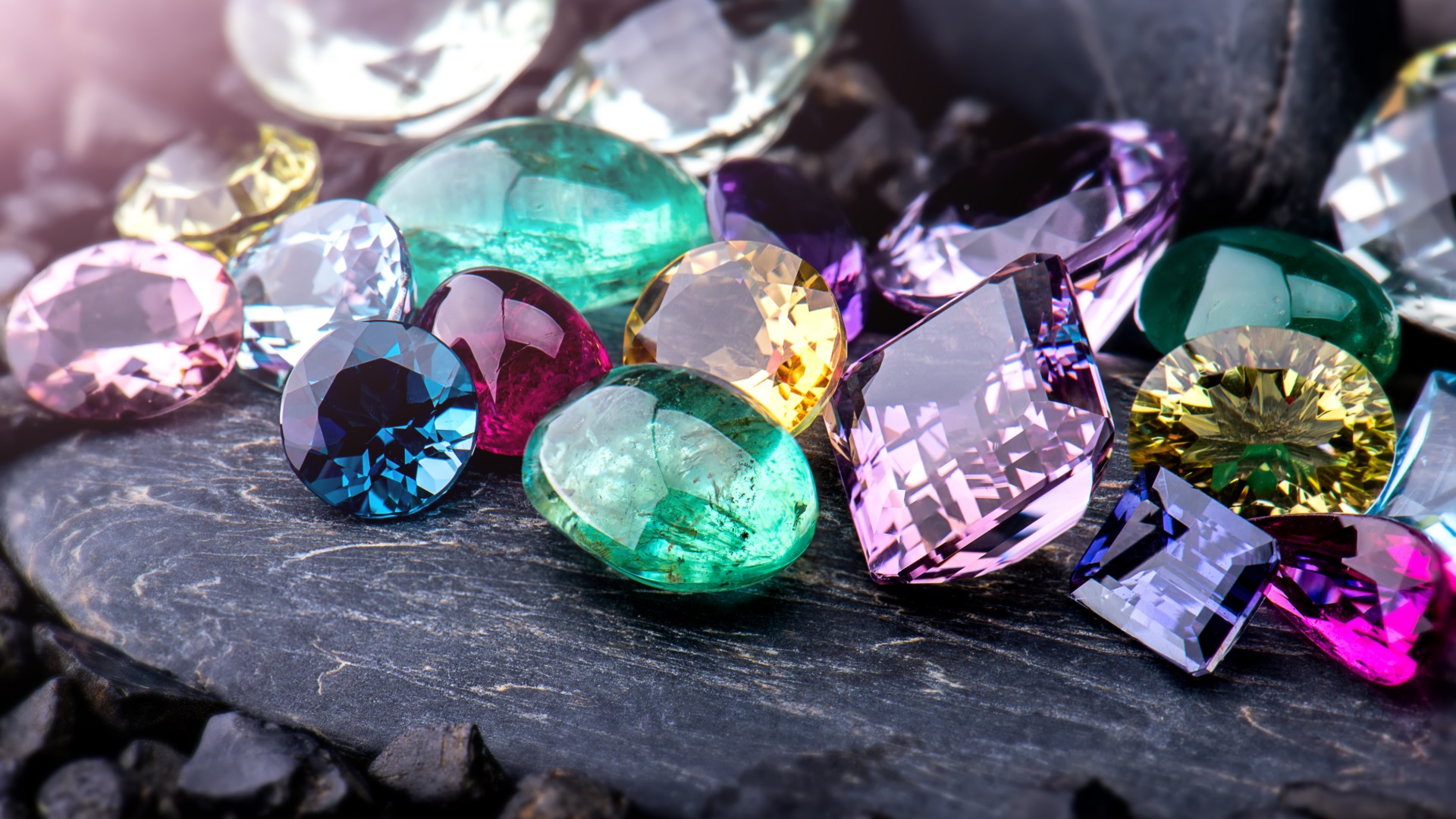
Ever wonder why one state picks turquoise while another goes with jade, agate, or no official gemstone at all? Looking at state gemstones in the Midwest and West gives you a surprisingly personal view of each place. Some picks come straight from local mines. Others reflect long ties to regional history, art, and identity.
Arizona: Turquoise
Arizona is home to the mine that produces one of the most sought-after turquoise varieties in the world, Sleeping Beauty turquoise. The state is also home to Native American tribes like the Navajo, Hopi, and Zuni, who use this stone widely in jewelry, ceremonial pieces, and artistic traditions. So it only makes sense that turquoise is the Grand Canyon State’s official gemstone.
California: Benitoite
California went with benitoite, a rare blue gemstone first found near the San Benito River. It stands out for its bright sapphire-like color, but its real claim to fame is how limited it is. Since benitoite is found almost exclusively in California, the choice feels specific to the state instead of broadly symbolic.
Colorado: Aquamarine
Aquamarine is Colorado’s official state gemstone, and the stone fits the setting well. This blue to blue-green variety of beryl is known for its clear color and glassy look. Some of the finest aquamarine in the country has come from Colorado, especially from high-elevation deposits in the Sawatch Range near Mount Antero.
Idaho: Star Garnet
A star garnet isn’t your average garnet. When cut and polished, it can show a star-shaped pattern across the surface, which gives Idaho’s state gemstone a pretty distinct look. Idaho is one of the few places in the world where this gem is found in notable amounts, alongside India, so the state had a strong claim to it.
Illinois: No Official State Gemstone
Illinois picked fluorite as its state mineral, but it doesn’t have an official state gemstone. Even so, fluorite still carries a lot of weight because southern Illinois was once a major source of the mineral in the United States.
Indiana: No Official State Gemstone
Indiana doesn’t have an official state gemstone. The state is much better known for limestone, especially the high-quality stone quarried around Bedford that has been used in major buildings across the country. So while Indiana skips the gemstone label, it still has a clear stone identity tied to its land.
Iowa: No Official State Gemstone
Iowa also doesn’t have an official state gemstone. The state is better known for geodes, especially the ones found near Keokuk, which made geodes a more recognizable part of Iowa’s rock and mineral identity.
Kansas: No Official State Gemstone
Kansas doesn’t have an official state gemstone. The state focused on other symbols instead, like minerals and fossils that reflect its geology. That leaves Kansas without a designated gem, even though stones and minerals still play a role in its natural history.
Michigan: Chlorastrolite
Michigan’s state gemstone is chlorastrolite, often called greenstone, a rare stone with a starburst pattern in shades of green. It’s found mainly on Isle Royale and along parts of the Lake Superior shoreline. That gave Michigan a gemstone tied closely to the Great Lakes and hard to mistake for anywhere else.
Minnesota: Lake Superior Agate
Banded in red, orange, and white, Lake Superior agate became Minnesota’s state gemstone because it shows up throughout the region in glacial deposits and lake country. It’s a quartz variety shaped by volcanic history and time underground. The pick fits a state where rocks, lakes, and long winters are part of everyday life.
Missouri: No Official State Gemstone
Missouri named mozarkite as its state rock, but it doesn’t have an official state gemstone. Mozarkite is a colorful chert found only in the state, especially in the Ozarks, so it often fills that symbolic role in practice.
Montana: Sapphire
For Montana, sapphire was a pretty natural choice. The state became known for sapphire deposits in places like Yogo Gulch, where stones gained attention for their rich color and strong quality.
Nebraska: Blue Agate
Soft blue and white bands give blue agate a quieter look than some of the bolder gems on this list. Nebraska chose it as the state gemstone because the stone turns up in the state’s western and northwestern areas.
Nevada: Virgin Valley Black Fire Opal
Bright flashes of red, green, and blue make Virgin Valley black fire opal hard to miss. Nevada gave state gemstone status to this rare opal because it comes from Virgin Valley in the northwestern part of the state.
New Mexico: Turquoise
Turquoise has deep roots in New Mexico. Long before it became the official state gemstone, the stone already held a strong place in the region’s history, art, and trade. Pueblo and Navajo jewelry traditions helped make it one of the stones people most closely connect with the state.
North Dakota: No Official State Gemstone
North Dakota doesn’t have an official state gemstone. The state chose Teredo petrified wood as its official state fossil instead, so its symbolic focus leans more fossil than gem. That makes North Dakota another of several states in the Midwest without a designated gemstone.
Ohio: Flint
Ohio’s official state gemstone is flint, a hard form of quartz once used for tools and weapons by early Indigenous communities in the region. Large deposits in eastern Ohio made it a natural choice, especially since the stone already had a long local history before it became a state symbol.
Oregon: Sunstone
Few gems feel as tied to one place as sunstone does to Oregon. This feldspar stone is known for its warm glow and coppery shimmer, and Oregon is the only state with commercially mined sunstone deposits.
South Dakota: Fairburn Agate
South Dakota’s state gemstone is Fairburn agate, a banded stone known for its intricate patterns and range of colors, including red, orange, and white. It’s found mainly in the southwestern part of the state, especially around the Black Hills.
Utah: Topaz
Topaz has a direct link to Utah through Topaz Mountain, one of the state’s best-known rockhounding areas. The gem can show up in several colors, though golden and amber shades are the ones most people picture first. It works for Utah because the name, the place, and the stone all line up cleanly.
Washington: No Official State Gemstone
Washington doesn’t have an official state gemstone, but it does have a state fossil: petrified wood, which forms when ancient wood slowly turns to stone over time. Large deposits have been found in several parts of the state, especially in areas shaped by volcanic activity.
Wisconsin: Red Granite
Wisconsin named red granite as its state gemstone, reflecting the state’s long-standing quarry industry and widespread granite formations. The stone shows a deep reddish color from its mineral content, and it appears in buildings, monuments, and local landscapes across the state.
Wyoming: Jade
Wyoming’s state gemstone is jade, specifically nephrite jade, a compact stone that ranges from dark green to nearly white. Jade was discovered in Wyoming in the 1930s, and that find kicked off a jade rush that lasted for decades.
Why These Picks Stick
Looking across state gemstones in the Midwest and West, you can see each state made its choice for its own reasons. Some picked a rare local find. Others went with a stone people already connected to the land. Put together, those choices show how much local history can be packed into something small enough to hold in your hand.