


Consequences of Leaving Old Fuel Sitting in a Watercraft
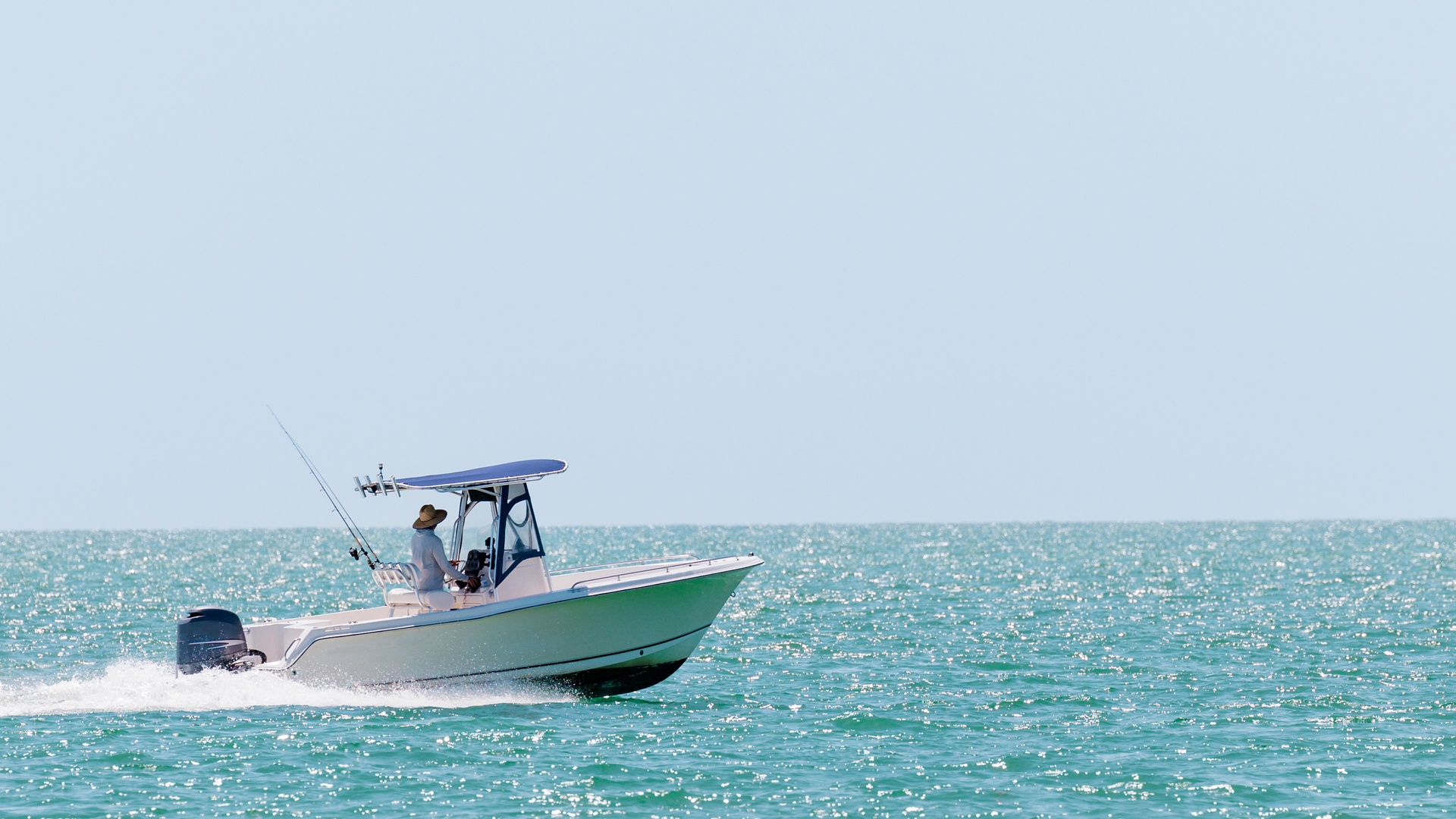
Living in South Florida means we wait all week for that perfect Saturday on the water. You pack the cooler, grab the kids, and head to the marina. You turn the key, but the engine sputters and dies. Nothing ruins a family outing faster than engine trouble. Often, the culprit isn’t a complex mechanical failure, but something simpler: the fuel sitting in the tank since your last trip.
Leaving gasoline in a marine tank for extended periods creates serious mechanical issues. Learn the various consequences of leaving old fuel sitting in a watercraft and how to prevent this issue in the future.
Fuel Degrades Over Time
Gasoline does not stay fresh forever. Modern fuel begins to deteriorate after just 30 days. As it sits, the volatile components that provide the boom inside the engine evaporate. This chemical breakdown leaves behind a sticky, thick residue often called varnish or gum.
When you finally crank the engine, the fuel pump pushes this sludge into the system. It coats internal components and restricts the necessary flow of fluids.
Blockages and Internal Damage
The varnish creates significant problems for marine engines. It gums up the carburetor jets and fuel injectors. This buildup restricts the flow of fuel essential for combustion. Mechanics frequently encounter clogged fuel lines in jet skis because owners often leave them docked for weeks without running the engine.
The narrow passages in these high-performance machines block easily. Once those lines obstruct, the engine runs lean—meaning it gets too much air and not enough fuel. This condition causes overheating and can even melt pistons.
The Ethanol Problem
Most pump gas contains ethanol, a corn-based alcohol. Ethanol attracts moisture from the air. In our humid Miami climate, this poses a major risk. Over time, the water bonds with the ethanol and sinks to the bottom of the tank. Mechanics call this phase separation.
Since the fuel pickup sits at the bottom of the tank, the engine sucks up this water-ethanol mixture first. Marine engines cannot burn water. This leads to immediate stalling and eventually rusts internal steel components from the inside out.
Simple Steps for Prevention
You can avoid these headaches with a few consistent habits. Treating your fuel system with care saves money and ensures safety.
- Add a high-quality marine fuel stabilizer to the tank every time you fill up, not just during storage.
- Fill the tank completely before leaving the boat for a few weeks; this reduces the air space where condensation forms.
- Run the engine every few weeks to cycle fresh fuel through the system and prevent varnish buildup.
- Install a water-separating fuel filter to catch moisture before it enters the engine.
Taking care of your fuel system ensures your watercraft starts every time you turn the key. Don’t let a few dollars of old gas turn into a massive repair bill at the local shop. Regular maintenance keeps your vessel safe, reliable, and ready for your next family adventure on the Atlantic or the Intracoastal. Don’t let the consequences of old fuel sitting in a watercraft keep you from enjoying long days on the water.