


BLM firefighters prepare year-round for wildland fire season
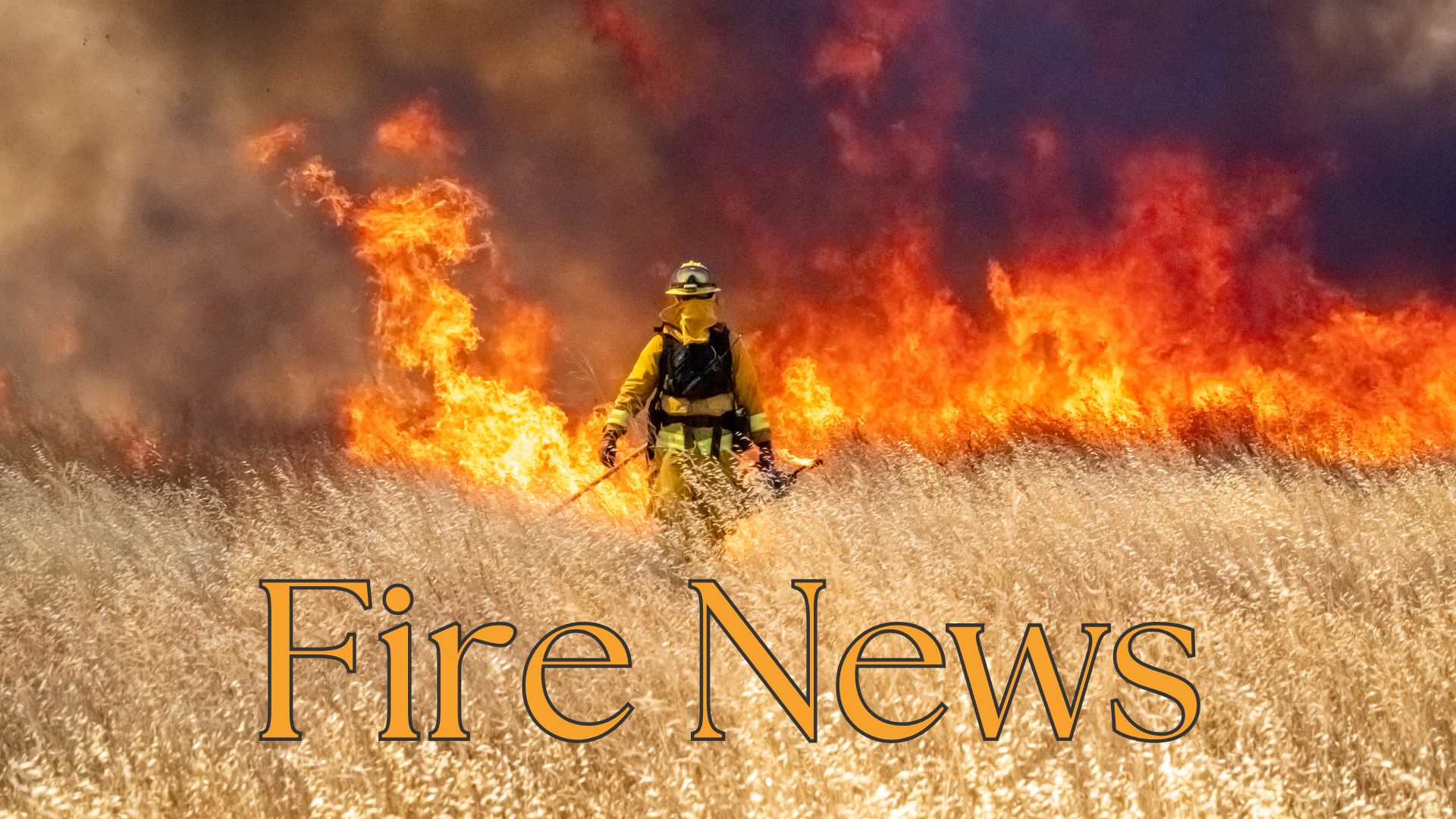
WORLAND — In the year following a record-breaking 2025 fire season for Wyoming, Bureau of Land Management Wind River/Bighorn Basin District Assistant Fire Management Officer Grif Cochran discussed preparations for an uncertain fire season.
“It’s hard to really predict what the fire season is going to bring. Long term things can deviate from our normal plan, but our normal plan is to fully staff all of our modules, do as much fuel reduction work as we can between seasons, so I’d say that right now we’re on track for what we normally do, and we always have a plan for the worst case scenario,” Cochran said. “So we make sure we staff our crews appropriately, and we make sure that we’re ready and prepared to work ‘til the snow flies.”
Cochran is based at the BLM Office in Worland. As an officer of the BLM’s fire service, he said in the offseason, firefighters train, including taking additional classes to build up their experience, knowledge and skill sets towards being prepared for the coming fire season.
He added that the offseason is also when the BLM hires its seasonal workforce.
“A lot of the folks that are firefighters during the summer months are our seasonal folks, so they’ll be starting here in May,” he said. “Hiring goes on in the winter months, and the new hires will start on May 18 this year. They’ll spend the first couple of weeks training in the field, in the classroom, physical conditioning, that kind of stuff. As far as the level of individual firefighters, that’s what each of them is doing to get ready.”
“As far as program-wide, for us really it hasn’t picked up until the last couple weeks. We have annual operating plan meetings with local cooperators and other federal agencies, so we actually have a meeting here tomorrow [April 14] for this district’s fire program. That includes all the county fire departments, rural fire departments, Forest Service partners and us, and we kind of all get together and go through all of our processes and plans for the summer,” Cochran said. “We go over any changes that we’re making in the coming season, we make sure that our communication plans all mesh well, and that we can talk to each other when we arrive on incidents. As you can imagine, that can get confusing but we all work really well together here in the Basin.”
Aside from those constants, Cochran said that when conditions and schedules allow, the BLM will send fire crews on fuel reduction projects throughout the district. Once winter conditions give way and rural roads are accessible, Cochran said that BLM firefighters will be trying to remove more fuel than usual in response to the warm, dry winter this year.
Monitoring conditions throughout the year is one way that BLM firefighters prepare themselves for fire season, and the conditions leading up to it this year suggest an especially dry summer. “Honestly, I’ve been here since 2016, and I think that year was kind of like this, but that winter had a good cold snap before it warmed up in February,” Cochran said. “But this year, we didn’t really get cold at all. So for us, we do fuel moisture sampling to monitor when that fuel is actually flammable. We have a handful of sites throughout our district, pretty much from Montana to the Wind River Range. Our fuel staff goes out and they pull samples, usually every two weeks. We’re starting that up here pretty soon; probably today, actually (April 13).”
“Those moisture sample results are actually one of the factors we use when we change our ‘Smokey Bear’ signs that tell you the danger level of fires,” he added.
Cochran also spoke about the fire danger presented as a consequence of last year’s fires, saying, “Where we had that big fire down by Thermopolis last year, a lot of that land will have a fresh grass crop by the end of the growing season this year; those will be dead at maturity and add to the fuel for this year. We do take that into account, we have data going back for quite a ways that tracks historical fire scars across the landscape, and we can use that to predict how burned land recovers.”
As mentioned earlier, the BLM has a contingency plan in the event that its resources aren’t enough, and using the same system it connects firefighters here to support crews anywhere in the U.S. if they need it.
Cochran spoke about it in detail saying, “Cody has a dispatch center that handles dispatch for all of their ‘dispatch zone’ which is essentially the entire northwest of the state. On an initial fire call, it goes by closest re- sources, then through- out the season as conditions change and get more severe — in that July timeframe around here — we have different parameters that dictate what the response is. Then let’s say, how many engines get sent to a fire start? That’s based on values at risk; what’s close that is at risk of being burned. When the report comes in,we look at it on the map very quickly, and dispatchers are going to send an immediate response, and then we send resources as they’re requested by an incident commander on the ground.
“Then, we have regional coordination centers,” Cochran continued. “We’re in the Rocky Mountain region currently, there’s things changing, with Department of Interior federal firefighting resources being consolidated into the US Wildland Fire Service. So, that’s BLM Fire Program, Park Service, Fish and Wildlife. All of those Department of Interior fire programs have been consolidated now, so I expect to see some changes coming in the next few years at this level.
“But as it stands, there’s a regional coordination center that we coordinate with on large fires,” said Cochran. “Then, the National Interagency Coordination Center in Boise, Idaho, is the highest level. They’re looking at what the fire situation is across the country, and they handle prioritizing resources.”
Cochran took a moment to address his local community in Worland.
“We’ve got some great relationships within our community and the communities around the [Big Horn] Basin, and we’re grateful for those and we want to keep them,” he said. “At the same time, we really rely on folks to pay attention to fire restrictions. Whenever conditions are really hot and dry and windy, factors that we all recognize as adding to the danger of fire, I would just ask that our communities take responsibility when they’re enjoying the outdoors. That’d be helpful for us.”
This story was published on April 16, 2026.