


5 Signs Your Building’s Fire Escape Needs an Upgrade
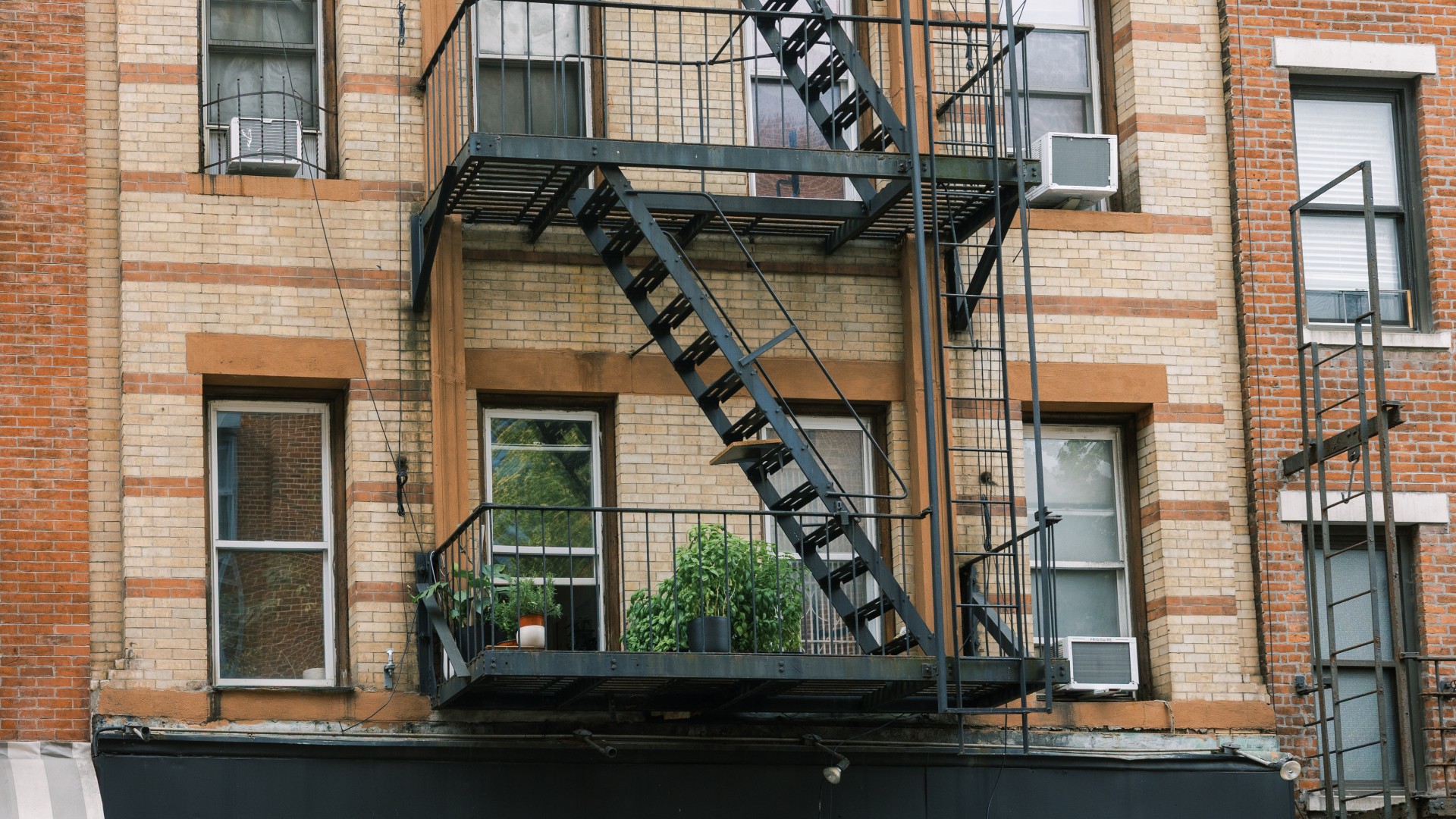
Safety regulations constantly evolve, yet many property managers overlook exterior egress systems until an inspector issues a violation. Ignoring these structures risks tenant safety and heavy fines. Recognizing the warning signs early helps you budget for repairs before a minor fix becomes a total replacement.
Make sure to watch for these indicators that your building’s fire escape needs an upgrade.
Visible Rust and Corrosion
Rust acts as the primary enemy of steel structures. Moisture and oxygen attack the metal, causing it to flake and weaken over time. Surface rust may seem cosmetic, but it indicates that the protective paint layer has failed. Without intervention, this corrosion penetrates deeper, compromising the structural steel.
Inspect the connection points where the fire escape anchors to the building wall. Corrosion in these areas poses a significant risk because it reduces the system's load-bearing capacity. Flaking rust on treads or railings also creates tripping hazards or sharp edges that could injure occupants during an evacuation.
Loose or Missing Bolts
Vibration from wind, thermal expansion, and contraction loosen hardware over decades. A single missing bolt may not cause an immediate collapse, but it can transfer stress to the remaining connections. This uneven load distribution accelerates wear and fatigue in other parts of the assembly.
Check all brackets, railings, and platform supports. If you can wiggle a railing by hand, the connection lacks sufficient strength to support the evacuation of tenants. Securing these connections often requires specialized welding or high-strength replacement hardware rather than simple tightening.
Structural Instability
Fire escapes must support significant weight during an emergency. If the stairs bounce excessively or sway when walked on, the system lacks rigidity. This instability often stems from weakened anchor points or deteriorated support beams.
Prioritizing repairs based on structural integrity is essential. A stable fire escape reassures tenants during an evacuation, whereas a wobbly platform can cause panic and injury. Professional engineers evaluate these systems by testing load capacity against current safety codes.
Paint Failure and Peeling
Paint serves as the first line of defense against the elements. When paint peels, cracks, or bubbles, water can reach the bare metal beneath. Multiple layers of old paint can also hide underlying defects, such as stress cracks or deep pitting.
Scraping and repainting involve more than aesthetics. It requires removing old layers, which often contain lead, to inspect the raw steel properly. A fresh, high-quality coating system seals the metal and extends the escape's lifespan by years.
Failing Your 5-Year Certification
Most municipalities follow the International Fire Code or local variants, such as NYC’s Local Law 11, which mandate a structural inspection every five years. Failing this inspection serves as the definitive sign that upgrades remain overdue. Inspectors look for:
- Inadequate clearances
- Obstructions on platforms
- Non-compliant railing heights
- Counterbalance mechanism failures
A failed report forces immediate action. Addressing these issues proactively saves money compared to emergency rush repairs.
Keeping Your Property Compliant
Regular maintenance prevents costly surprises and keeps your building safe. Recognizing these signs that your building’s fire escape needs an upgrade helps you act before safety inspectors require an upgrade. Schedule a professional assessment to evaluate the condition of your egress system and create a plan for necessary improvements.