


10 Things You Didn’t Know Could Wear Down Your Clutch
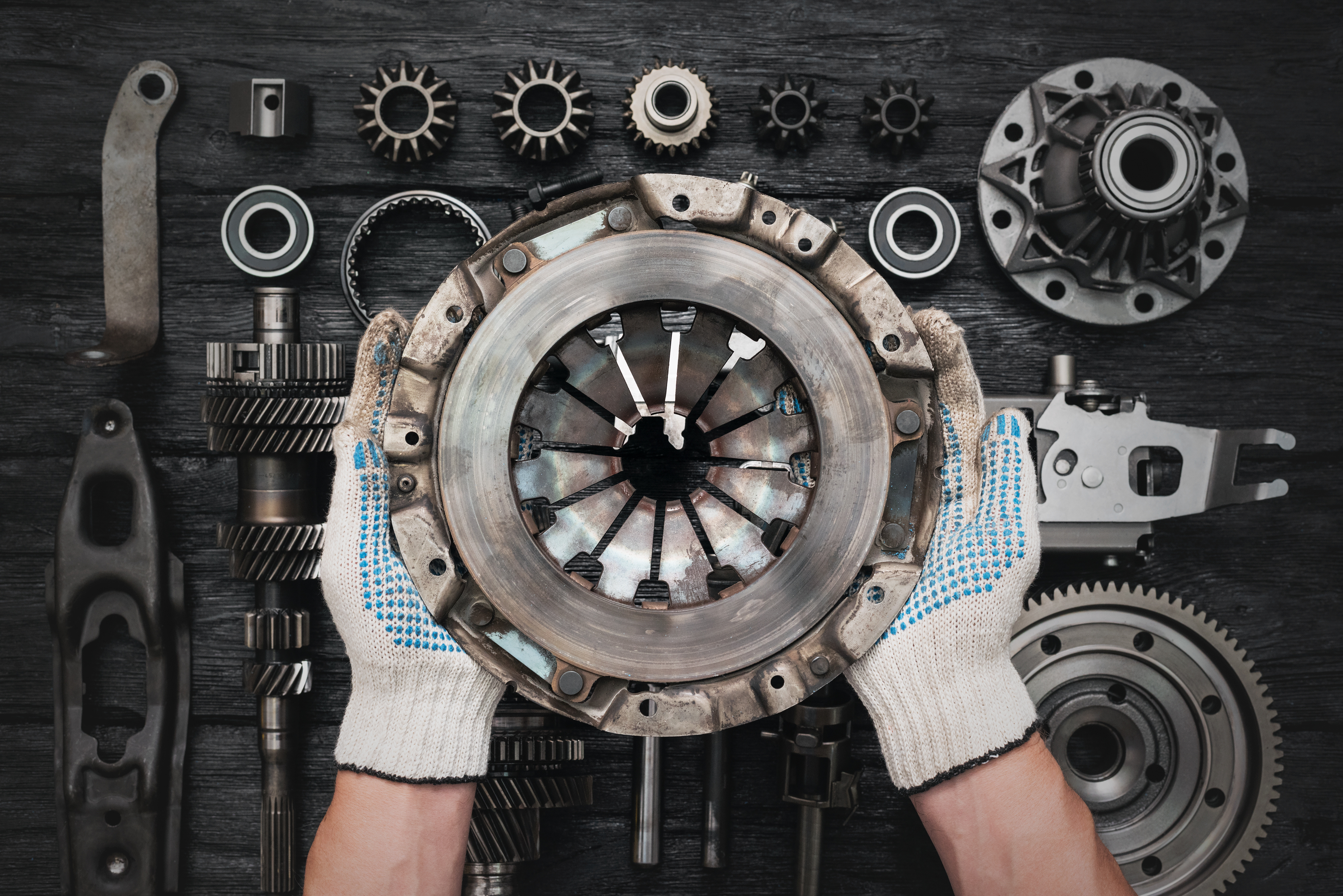
For a lot of drivers across northeast Wyoming and western South Dakota, a pickup, SUV, or older work car with a manual transmission still feels right at home. A clutch seems like a rugged part, and in many ways it is. Still, clutch wear does not come from mileage alone. It comes from heat, friction, and frequent strain. That basic pattern shows up in manufacturer guidance and failure-analysis material across the industry.
That means a clutch can wear down from some places drivers do not always suspect. A few of them happen in traffic, and some occur in the driveway. Keep reading to understand the things you didn’t know could wear down your clutch.
A clutch’s hardest moments happen in between
When you fully lock in the clutch, wear stays low. The real trouble starts during engagement, when the disc and flywheel are moving at different speeds and creating heat through friction. Excess slipping or poor adjustment can speed up damage in a hurry.
That is why clutch wear does not always trace back to one dramatic mistake. It can build up through a series of small habits that seem harmless on their own.
Resting your foot on the pedal
Some drivers keep the slightest pressure on the clutch pedal without realizing it. That small input can keep the clutch from clamping with full force. The result is extra slip, more heat, and steady wear over time.
It does not take a deep push to cause a problem. Even a light “just in case” foot position can engage the release system more than it should. On long drives, that habit adds up.
The better move
Use the floorboard, not the pedal, as your resting place. When you are not shifting, let your left foot stay clear.
Using the clutch to hold the car on a hill
It may feel smooth and like you’re in control, but using the clutch to hold the car on a hill is rough on the clutch. Holding a vehicle in place by balancing the clutch against the engine creates heat quickly. The clutch is doing the work the brake should handle. In a steep driveway, at a stoplight, or on a gravel incline, repeated slipping wears the friction material much faster than normal takeoffs do.
The better move
Use the brake to hold the vehicle, then make a clean launch. If your vehicle has a hill-hold feature, let it help.
Crawling in traffic with half engagement
Stop-and-go driving isn’t just annoying; it’s also hard on your car’s clutch. In slow traffic, drivers sometimes feather the pedal to creep along instead of choosing a gear and moving in short, clean intervals. That keeps the clutch in its hottest operating zone for longer than necessary. City traffic, parade traffic, school pickup lines, and fairground parking can all create the same pattern.
Starting in the wrong gear
Another thing you may not know that could wear down your clutch is starting in the wrong gear. A manual transmission gives the driver choices, but not every choice is kind to the clutch. Starting in too high a gear forces the clutch to slip more to get the vehicle moving. The engine may bog, the vehicle may shudder, and the clutch must bridge the gap.
This matters even more in heavier vehicles. A loaded pickup or a vehicle towing a trailer asks for a clean, low-gear start. Skip that, and the clutch pays for it.
Towing or hauling without changing your driving style
Clutches do not live in a vacuum; they respond to load. A vehicle that moves easily when empty may need a very different touch when it is pulling livestock feed, hauling tools, or carrying camping gear into the Black Hills.
More weight means the clutch must work harder during takeoff. If the driver uses the same launch style as always, heat rises and wear follows. The change may feel subtle inside the cab, but the hardware notices.
Riding the clutch in low-speed maneuvers
Backing a trailer into a tight spot. Easing through mud. Parking in a cramped lot. These are the moments when drivers may ride the clutch for fine control.
Sometimes you can’t avoid doing this completely, but frequent low-speed slipping takes a toll. Short corrections are one thing. Prolonged balancing acts are another. The more time the clutch spends halfway engaged, the more friction material it gives up.
Ignoring leaks or hydraulic issues
Not every clutch problem starts with bad driving habits. Mechanical trouble can create wear, too. If the hydraulic system does not release or engage the clutch correctly, the clutch may drag or slip. A worn master cylinder, a weak slave cylinder, or fluid loss can change pedal feel and engagement point.
Drivers sometimes adapt without thinking. They push the pedal differently, shift around the problem, or keep driving until the smell makes the issue impossible to ignore. That delay can turn a repairable problem into a full clutch job.
Treating every launch like a performance test
Quick starts may feel fun for a second, but the clutch remembers them longer. Hard launches raise heat and stress because the clutch must connect engine power to the transmission under heavier demand. That applies to modified vehicles, but it also applies to stock daily drivers.
A habit of aggressive starts at stoplights or on dirt roads can shave life off the clutch, even when everything else is in good condition. A clutch transmits power, but drivers shouldn’t abuse it.
Using mismatched gearing for the job
This is one of the less obvious causes, but it matters. Gear ratios influence clutch load wear because they determine how much load the clutch sees.
When gearing does not match the vehicle’s power band, weight, tire setup, or intended use, the clutch may need to slip more during starts and transitions. That increases stress and heat. For people who use their vehicles for towing, off-road travel, or larger tire setups, this point matters more than it gets credit for.
Letting small warning signs slide
A burning smell after a hill start. A higher engagement point than usual. A shudder when taking off. These signs do not always mean immediate failure, but they do suggest the clutch system wants attention.
The longer a slipping condition continues, the more heat builds. Failure-analysis material from clutch manufacturers makes that point clearly: slipping creates destructive temperatures fast.
The quiet truth about clutch life
Clutches wear out, but they do not all wear out for the same reason. Some fail because a part reaches the end of its service life, while others fail because daily habits keep the system in its harshest operating range. Some even fail because the vehicle’s load, gearing, or mechanical condition asks too much from the clutch too frequently.
The good news is that many of the biggest causes sit within the driver’s control. Cleaner starts, better hill habits, quicker attention to leaks or slippage, and a little more respect for vehicle load can make a real difference. For drivers who rely on a manual transmission every day, that is good news for the left foot and the wallet.