


10 Strategies To Enhance Production Flow in Manufacturing
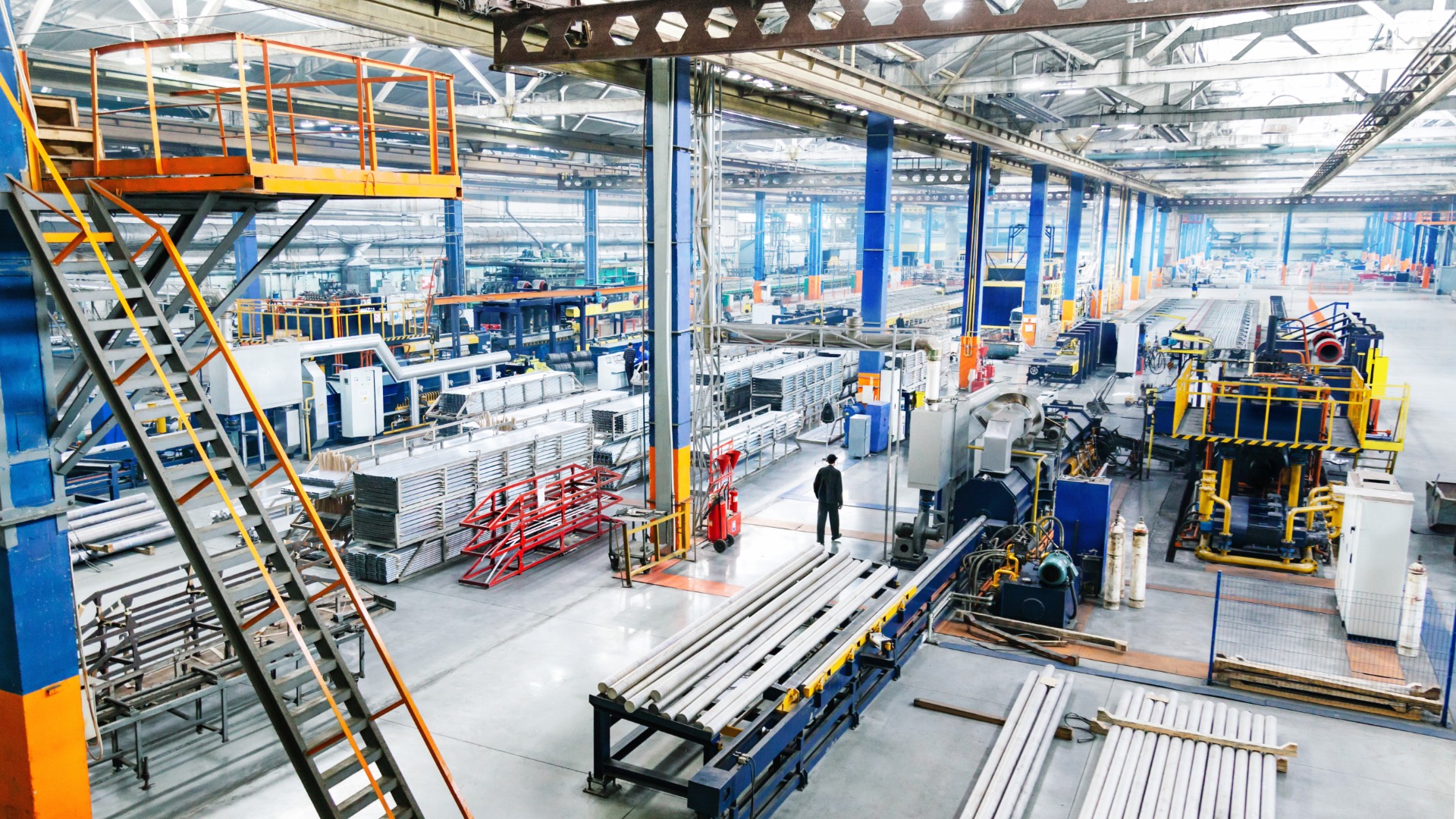
Manufacturing plays a steady and important role in communities across the country, including regions like Northeast Wyoming and Southwest South Dakota. These industries support local jobs, supply essential goods, and keep regional economies moving forward.
When production flows efficiently, businesses can meet demand, control costs, and maintain consistent quality. If you need advice on keeping your operations running more smoothly, here are 10 strategies to enhance production flow in manufacturing.
Start With a Smarter Floor Layout
A well-organized floor plan can transform how materials move through a facility. When machines and workstations sit in logical sequence, workers spend less time walking and more time producing. That shift alone can shave hours off daily operations.
Clear pathways also reduce confusion and improve safety for everyone on the floor. When employees know exactly where materials go next, errors drop, and confidence rises. A thoughtful layout sets the tone for everything that follows.
Small layout adjustments can also deliver immediate results without major investment. For example, moving a single workstation closer to the next step can eliminate repeated delays. Over time, these improvements create a smoother and more predictable workflow.
Keep Equipment Running, Not Waiting
Downtime can quietly drain productivity without drawing much attention at first. Machines that stop mid-process create bottlenecks that ripple across the entire operation. Regular maintenance helps prevent those interruptions before they start.
Simple habits like conducting scheduled inspections and making quick repairs can make a big difference. Workers also gain trust in their tools when the equipment performs consistently. That reliability keeps production moving at a steady pace.
Preventive maintenance also extends the life of expensive machinery, allowing companies to spend less money on replacements and invest more in their efficiency. That will help ensure your company’s performance remains stable over time.
Train Teams for Flexibility
A workforce that understands multiple roles can adapt when challenges arise. When one station slows down, trained employees can step in and keep things moving. That flexibility keeps the line from stalling.
Cross-training also builds stronger teamwork and communication. Employees gain a broader understanding of how their work fits into the bigger picture. This awareness supports smoother coordination across departments.
Flexible teams also respond faster to changes in demand or unexpected issues. Managers can shift resources without causing confusion or delays. This adaptability strengthens the entire production system.
Standardize Processes for Consistency
Clear, repeatable procedures help eliminate guesswork on the production floor. When every worker knows and follows the same steps, output becomes more predictable and efficient. Consistency reduces waste and improves quality at the same time.
Written guidelines can also make onboarding new employees easier. Instead of learning through trial and error, they can follow proven methods from day one. That structure keeps operations running smoothly even as teams grow.
Standardization also makes it easier to identify problems when they arise. When a process changes unexpectedly, teams can trace the issue more quickly. This clarity supports faster problem-solving and continuous improvement.
Use Data To Guide Decisions
Modern manufacturing relies on more than instinct alone. Data can reveal patterns that might otherwise go unnoticed, such as slow points or recurring delays. With the right insights, managers can make informed adjustments.
Tracking performance metrics also helps teams stay focused on improvement. Small changes based on real data can lead to meaningful gains over time. Numbers provide clarity when decisions feel uncertain.
Data also supports long-term planning and forecasting. Leaders can anticipate challenges before they impact production. This proactive approach keeps operations running smoothly.
Reduce Material Handling Delays
Moving materials from one stage to another should feel seamless, not like a hurdle. Long transport times create unnecessary pauses in production. Streamlining these transitions keeps work flowing naturally.
Simple tools like conveyors or organized storage zones can help maintain momentum. When materials arrive exactly when needed, workers stay productive. Efficient handling supports a steady rhythm across the entire process.
Improved handling also reduces the risk of damage or loss. Materials that move efficiently remain in better condition. This reliability supports both quality and efficiency.
Choose the Right Materials From the Start
The materials people choose can play a greater role in the manufacturing process than many realize. Picking the wrong ones can slow machining, increase tool wear, and cause unexpected delays. Careful planning at this stage prevents problems later.
Engineers and production teams benefit from understanding how materials behave under real conditions. For example, if your company serves aerospace clients, consider giving your employees a guide to material selection for technical ceramics. Gaining insight into how to choose the right materials can lead to smoother processes and fewer interruptions, leading to long-term efficiency gains.
Improve Communication Across Teams
Production flow depends on clear communication between departments. When information gets delayed or misunderstood, the entire system can slow down. Open channels help prevent those breakdowns.
Regular check-ins and simple reporting systems keep everyone aligned. Workers feel more confident when they understand priorities and expectations. Strong communication keeps operations moving forward without confusion.
Clear communication also reduces errors and rework. Teams can address issues before they escalate into larger problems. This coordination strengthens overall performance.
Minimize Waste in Every Step
Another strategy to enhance production flow in manufacturing is to minimize waste. However, it’s important to note that the term “waste” does not always apply to scrap materials. It can include wasted time, unnecessary motion, or repeated work. Identifying these inefficiencies helps streamline operations.
Small adjustments can lead to noticeable improvements over time. Teams that focus on reducing waste create smoother workflows and better outcomes. Efficiency becomes part of the daily routine.
Reducing waste also supports cost control and sustainability. Businesses can produce more with fewer resources. This balance benefits both operations and the broader community.
Embrace Continuous Improvement
Manufacturing does not stand still, and neither should production strategies. Ongoing evaluation helps identify new growth opportunities. Even well-run systems can improve with fresh ideas.
Encouraging feedback from workers creates a culture of progress. Employees who feel heard contribute valuable insights from the front lines. Continuous improvement keeps systems responsive and effective.
Organizations that commit to improvement stay competitive over time. They adapt to changes in technology and demand with confidence. This mindset keeps production flow in manufacturing strong and resilient.
Prepare Your Company for the Future
Strong production flow does not come from one big change but from many thoughtful adjustments working together. Each improvement builds on the last, creating a system that runs more smoothly with time. With the right approach, manufacturers can stay efficient, resilient, and ready for whatever comes next.